Uni Koeln mit Schrift small

Log in

Log in

Message in a bottle: Expedition SO315 „CARNIVAL“

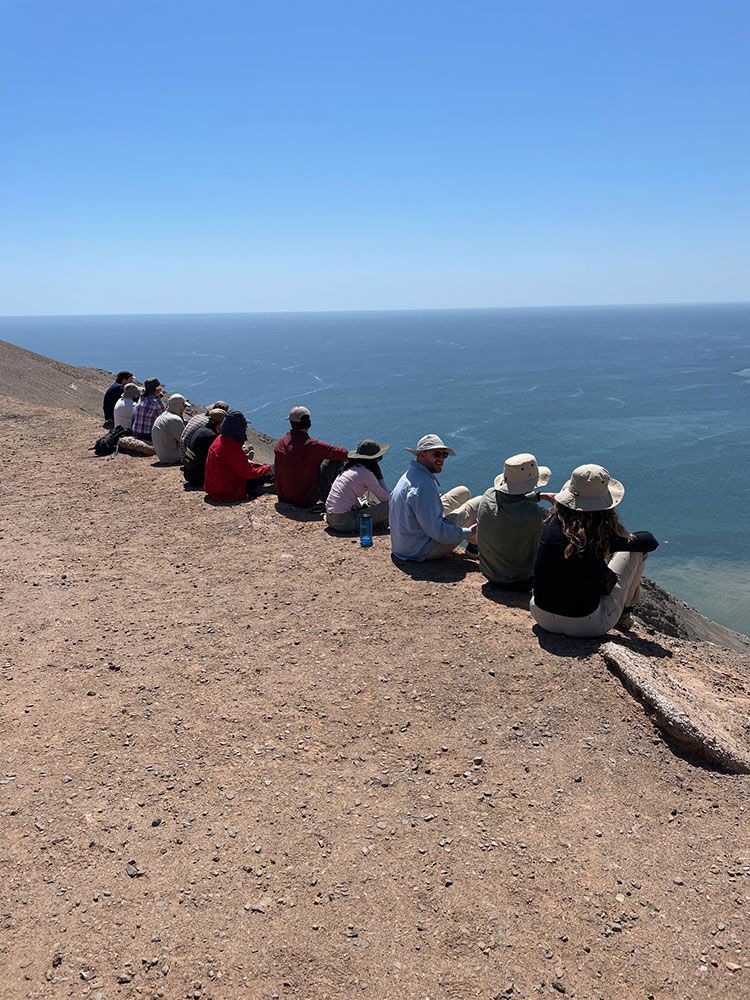
On 8 October 2025, the German Research Vessel SONNE left the port of Antofagasta for an almost six-week expedition off the Atacama Desert. The objective of Expedition SO315 “CARNIVAL” is the recovery of sediment cores and water samples along the northern Chilean continental margin. It brings together an international team of 34 geo- and bioscientists with the aim to explore the paleoceanography of the Humboldt Current System and the significance of land-ocean coupling as a driver of paleoclimatic variability in the Atacama Desert in the late Quaternary. Its research aims are tightly associated with CRC 1211 and complements ongoing research in Project A4.

Before leaving port, students of the CRC’s partner institutions Universidad Católica del Norte and the Universidad de Antofagasta were invited to visit the SONNE research vessel. After an introduction to the scientific background of the expedition by paleoceanographer Dharma Reyes Macaya (University of Cologne), Captain Oliver Meyer showed the students around the vessel.

After three weeks out at sea, Expedition SO315 has made good progress. A sediment core comprising 18 m of laminated sediments from the Bay of Mejillones and a sediment core of 11 m length from > 3500 m water depth on Iquique Ridge are amongst the highlights so far.

Expedition SO315 is a collaborative effort between the University of Cologne, the University of Bonn, the MARUM – Center for Marine Environmental Sciences, and the Alfred Wegener Institute (AWI), funded by the Federal Ministry of Research, Technology and Space. You can learn more about the SONNE and follow Expedition SO315 here.

Best wishes from the southeastern Pacific,

Patrick Grunert (chief scientist) on behalf of the entire SO315 team


vessel SONNEThe research vessel SONNE in the Bay of Mejillones.
Photo: V. Diekamp


core on deckFirst core on deck.
Photo: P. Grunert


multicoresMulticores, fresh off the seafloor.
Photo: P. Grunert


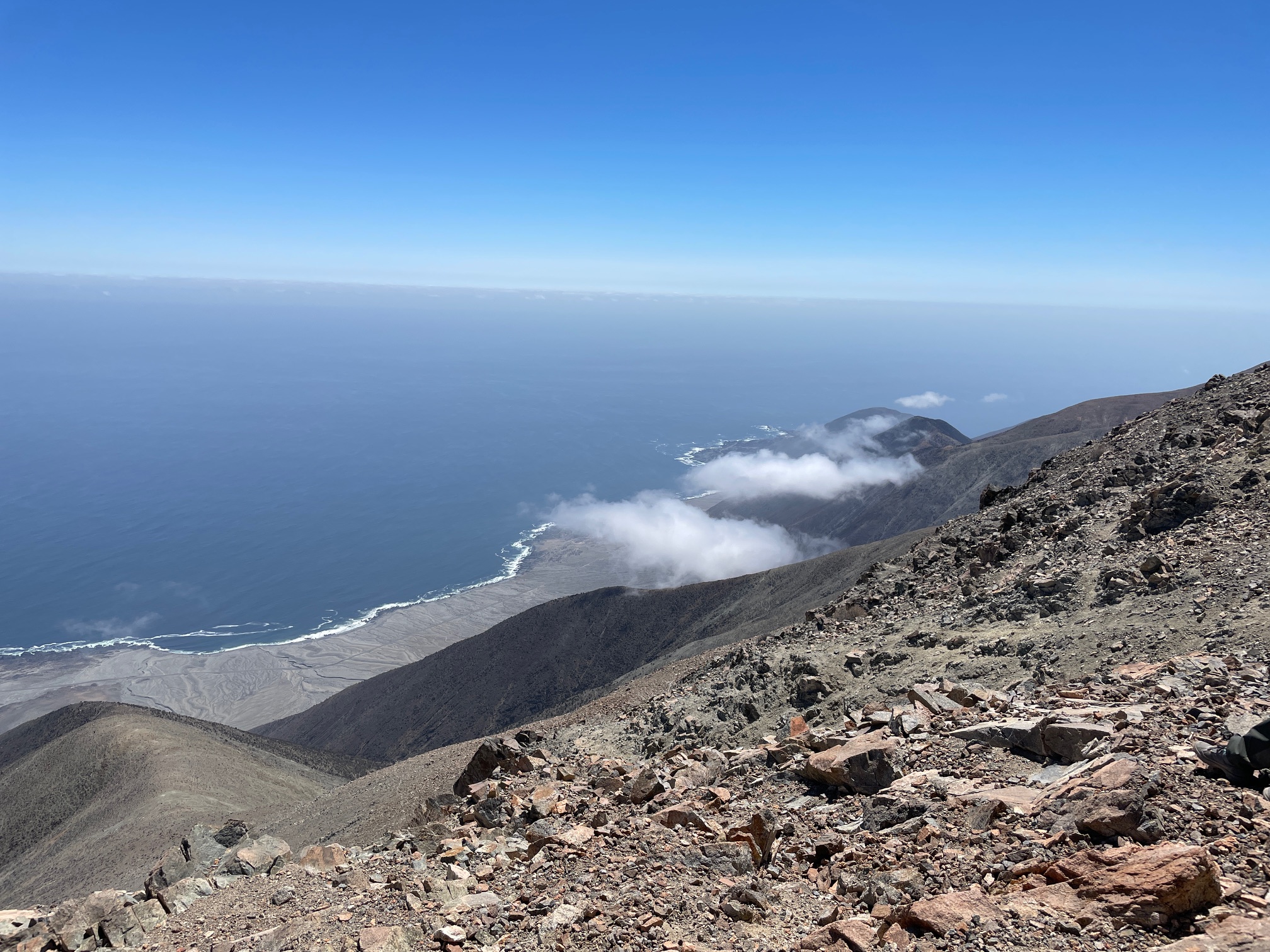
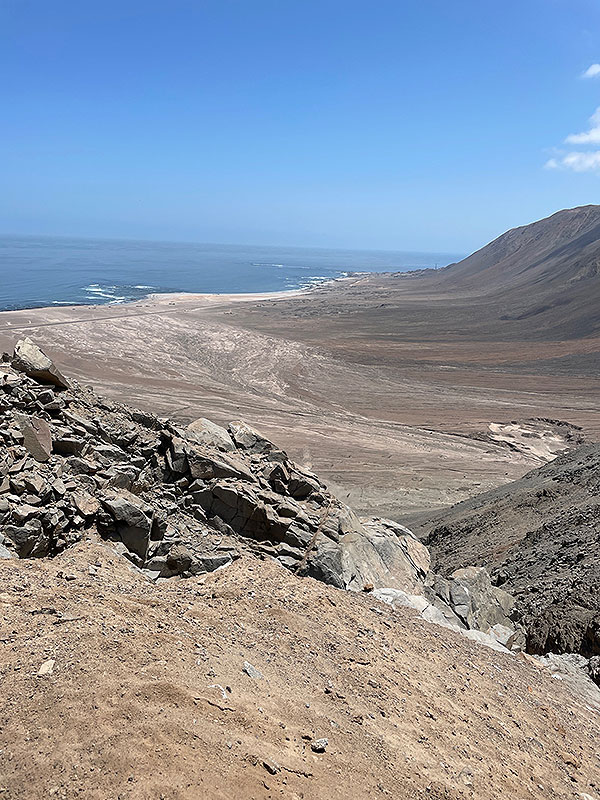
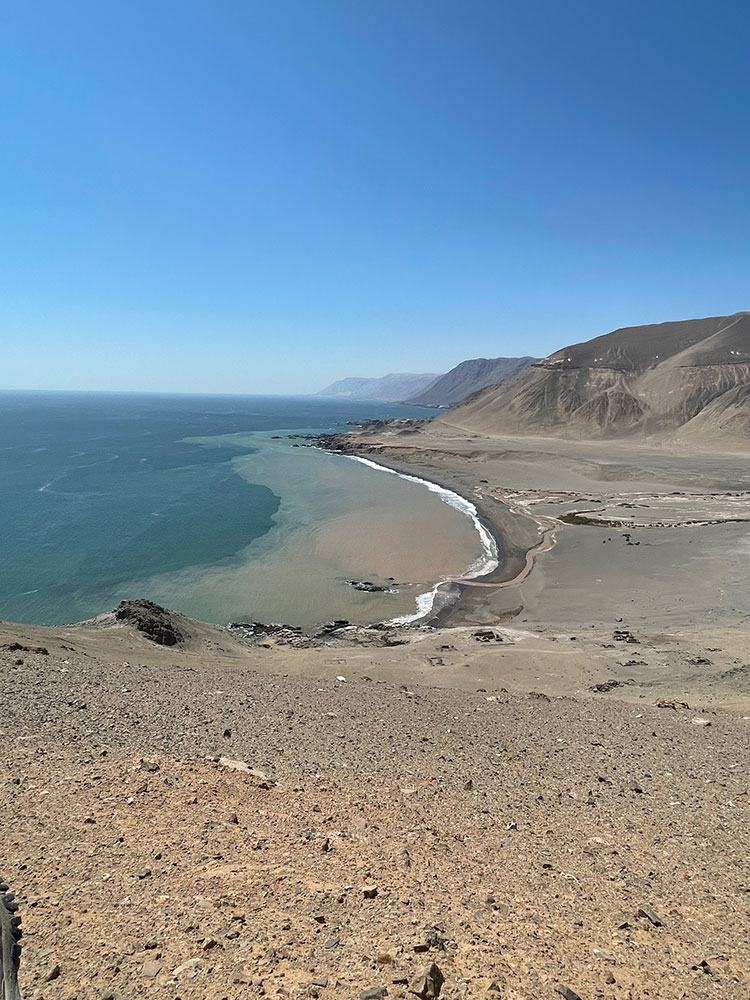
Coastal CordilleraThe Coastal Cordillera blocking clouds.
Photo: P. Grunert


Students of the Universidad Católica del NorteStudents of the Universidad Católica del Norte visiting RV SONNE.
Photo: E. Campos


Captain Oliver Meyer and studentsCaptain Oliver Meyer and students of the Universidad de Antofagasta on the bridge of RV SONNE.
Photo: N. Osma Prado

PhD Retreat in October 2025

We, the PhDs of the CRC1211, recently participated in the second PhD retreat of the third funding period; this time near the Laacher See in the Eifel. These retreats allow us to connect to our fellow PhD students and to discuss our projects and the progress we made, but also the problems we encountered.

We started the retreat with short presentations about our work in the last few months, which offered valuable insights into the other projects and gave us the opportunity to help each other with suggestions and feedback. Afterward, we went for dinner and ended the day with drinks and games.

The next morning, after breakfast, we attended a workshop led by Lorena Hernández Pineda. The workshop focused on mental health and intercultural communication — two important topics for our personal and professional journeys, and for communicating assertively with our local and international peers.

The afternoon began with a creative science communication task. We were asked to draw a poster about our research topic, the methods we use to answer our research questions and the problems we encountered, as well as the strategies we plan to use to overcome them. It was a challenging yet rewarding and fun task resulting in many interesting posters.

Afterward, we craved some fresh air. And what better place to explore the outdoors than the Laacher See area, which, given its geology, offers a fascinating insight into the volcanic past of this region. A highlight of the trip was the Wingertsbergwand. Its layers are a record of the different stages of the eruption of the Laacher See volcano.

The exciting history of this region would also be at the center of our closing activity on the following day. Together with a tour guide, we climbed down into the cellars of the Lavadome in Mendig. We were told the interesting history of these old mines that were built into the basaltic remains of the lava flows from the Laacher See volcano eruption.

All in all, it was a great weekend spent with our PhD colleagues. It helped us to stay connected and updated with our research, while also giving us the chance to escape the routine and to pursue some creative and fun activities.


Laacher SeeGroup picture at a viewpoint with the Laacher See veiled in fog in the background.
Photo: Alex Weiss Aparici


PresentationShort presentations about our work in the last few months to keep each other up-to-date.
Photo: Marianela Marino


PosterCreative exercise in science communication: Visually explaining our PhD projects on a poster.
Photo: Greta Kautz


DinnerGroup picture at dinner at the Vulkan Brauerei in Mendig.
Photo: Waiter of the Vulkan Brauerei


Playing CardsPlaying games in the evening to connect to our fellow PhD students.
Photo: Marianela Marino


WingertsbergwandExcursion to the Wingertsbergwand. Its layers show the different stages of the eruption of the Laacher See volcano.
Photo: Julia Simonis


Group LavadomeGroup picture in the Lavadome cellar.
Photo: Lavadome tour guide


WingertsbergwandExploring old caverns underneath the town of Mendig, created by the mining of the lava flows from the volcano eruption of the Laacher See.
Photo: Alex Weiss Aparicio


Text: Julia Simonis

Namibia–Gobabeb Summer School 2025

This September, we, the PhD students Robert Hadfield (subproject C07), Julia Simonis (subproject B07) and Marianela Marino (subproject B01) and the Master student Socha Geirises (subproject B08), had the opportunity to take part in the Summer School at the Gobabeb Namib Research Institute in Namibia. The training was conducted by experts including Prof. Dr. Dietmar Quandt (the Bonn Institute for Organismic Biology, University of Bonn), Terry Hedderson  ( Department of Biological Sciences, University of Cape Town), Prof. Dr. Julia Bechteler ( Senckenberg Institute for Plant Form and Function (SIP), University of Jena), and Dr. Eugene Marais (Gobabeb Namib Research Institute). The program not only offered hands-on training in modern biodiversity research methods but also gave us the chance to gain practical experience in the lab and to contribute our own expertise.

During the weeklong workshop, we were taught the fundamentals of phylogenetics in a series of lectures, learning how DNA sequences can be used to reconstruct the evolutionary history of a species and which models/approaches are best suited for the analyses. The theoretical part was complemented with practical sessions. We went into the field to collect plant samples from which we then extracted DNA in the lab. We learned how to create and improve sequence alignments and how to run different types of analyses, giving us the opportunity to apply the knowledge we had gained during the lectures.

In the field excursions, we encountered a fascinating array of plant and animal species, all remarkably well adapted to the extremely arid conditions of the Namib Desert, like the fascinating Welwitchia mirabilis, a plant endemic to this region.

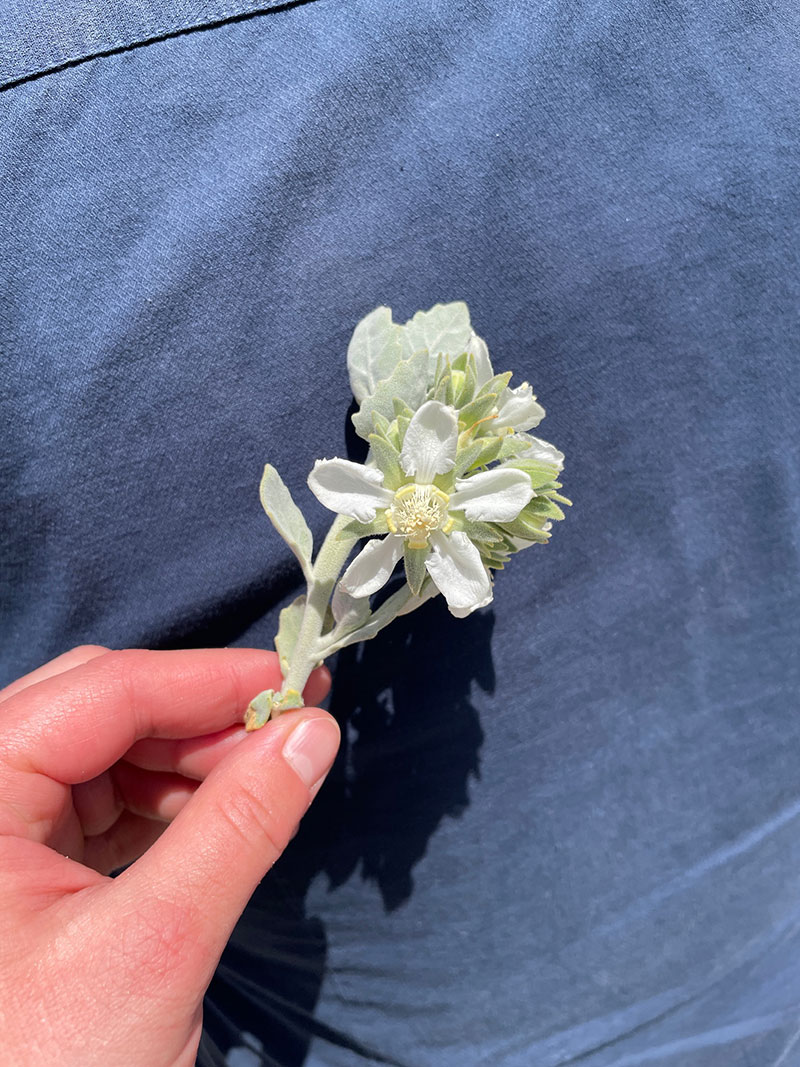
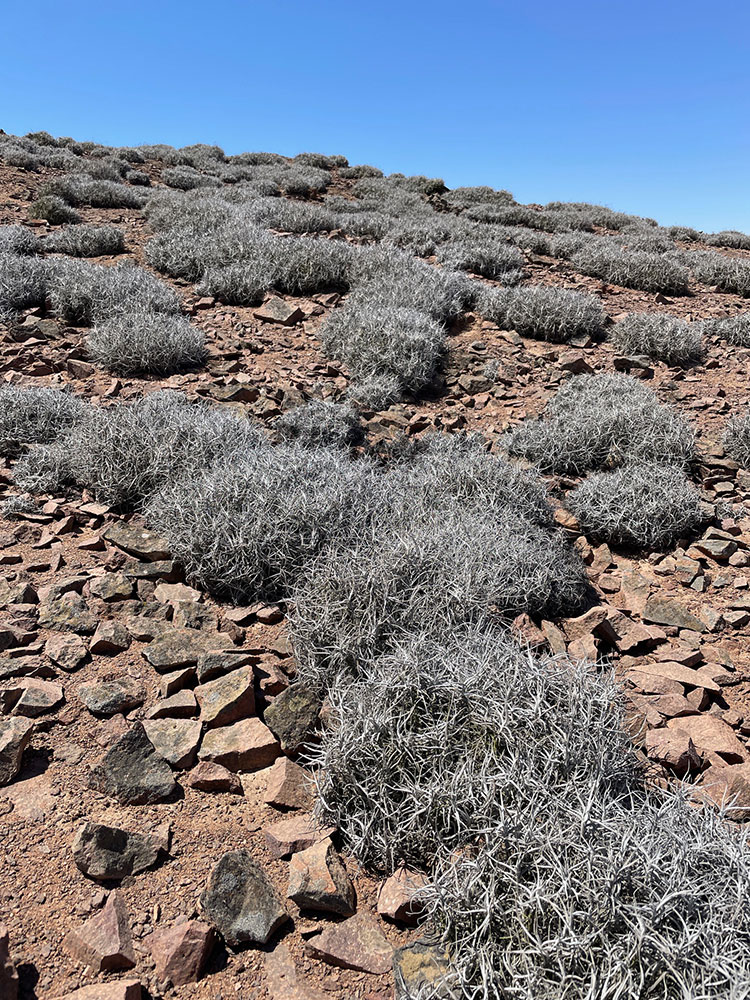
During our stay in Namibia, we, Julia and Nela, also had the opportunity to see Kissenia, a plant genus that is of particular interest to us as it is related to Huidobria—an endemic genus of the Atacama Desert in Chile and the central focus of our ongoing research projects. Observing Kissenia in its natural habitat allowed us to draw exciting parallels and contrasts between these two genera. These insights will serve as a valuable comparative model, helping us to understand the evolutionary and ecological adaptations of Huidobria in the Atacama.

It is remarkable how the arid environment harbors such impressive biodiversity, with species displaying fascinating adaptations to extreme water limitations. Gaining a deeper understanding of these coping mechanisms is not only crucial for their conservation but also provides valuable insights that can help us respond to the challenges of accelerated climate change.


Natalie Kapsosideris
Field trip to a sampled Welwitschia mirabilis population, guided by Natalie Kapsosideris, a Master´s student at the Gogabed Research Institute.
Photo: Julia Simonis


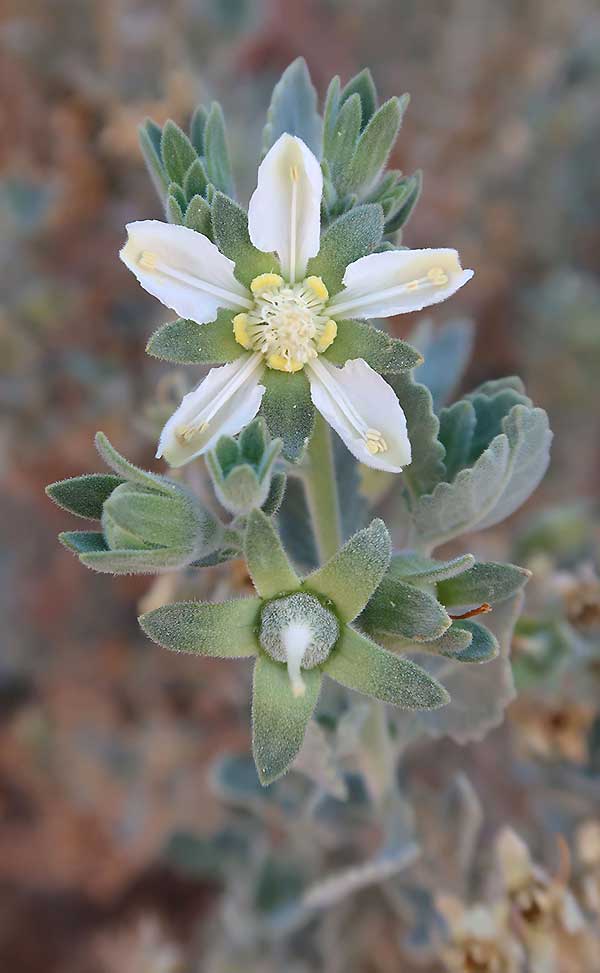
Kissenia capensis flower.Kissenia capensis.
This species is a distant relative of the genus Huidobria, endemic to the Atacama Desert in Chile, both belong to the Loasaceae family. 
Photo: Marianela Marino


Kissenia capensis flowerKissenia capensis.
Observing natural populations of Kissenia provided valuable ecological insights, which will enhance our understanding and facilitate future comparisons with Huidobria, the primary focus of our research in B01 and B07.
Photo: Marianela Marino


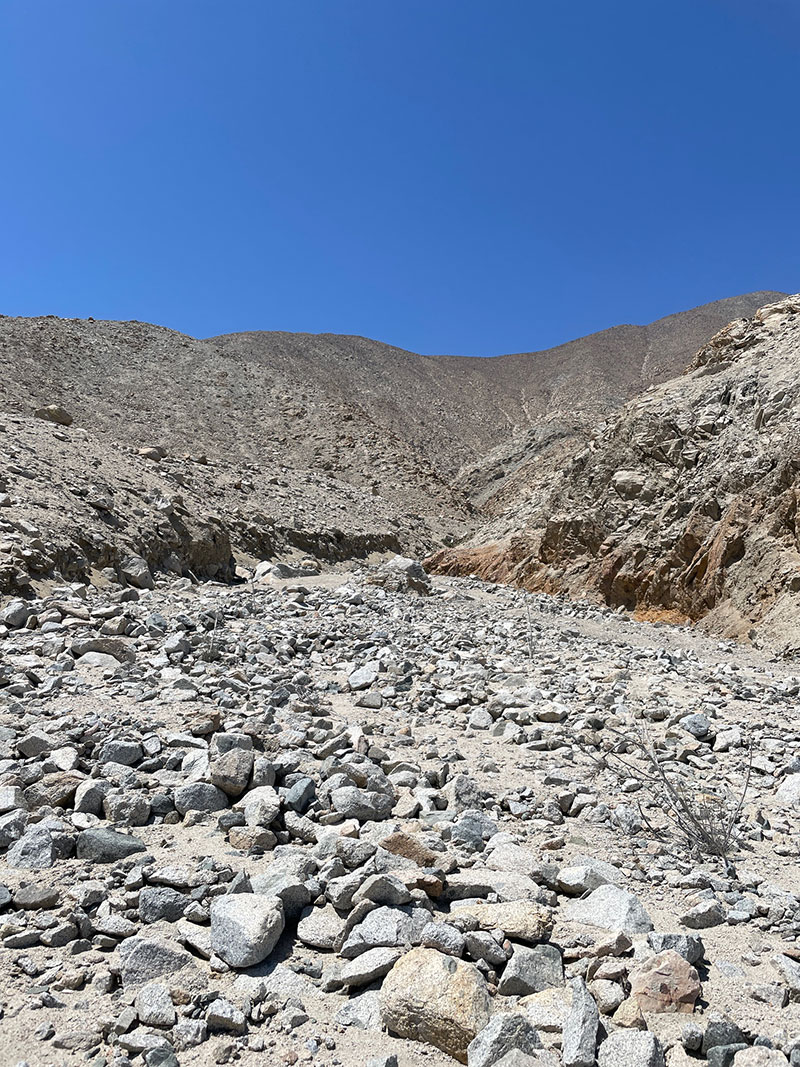
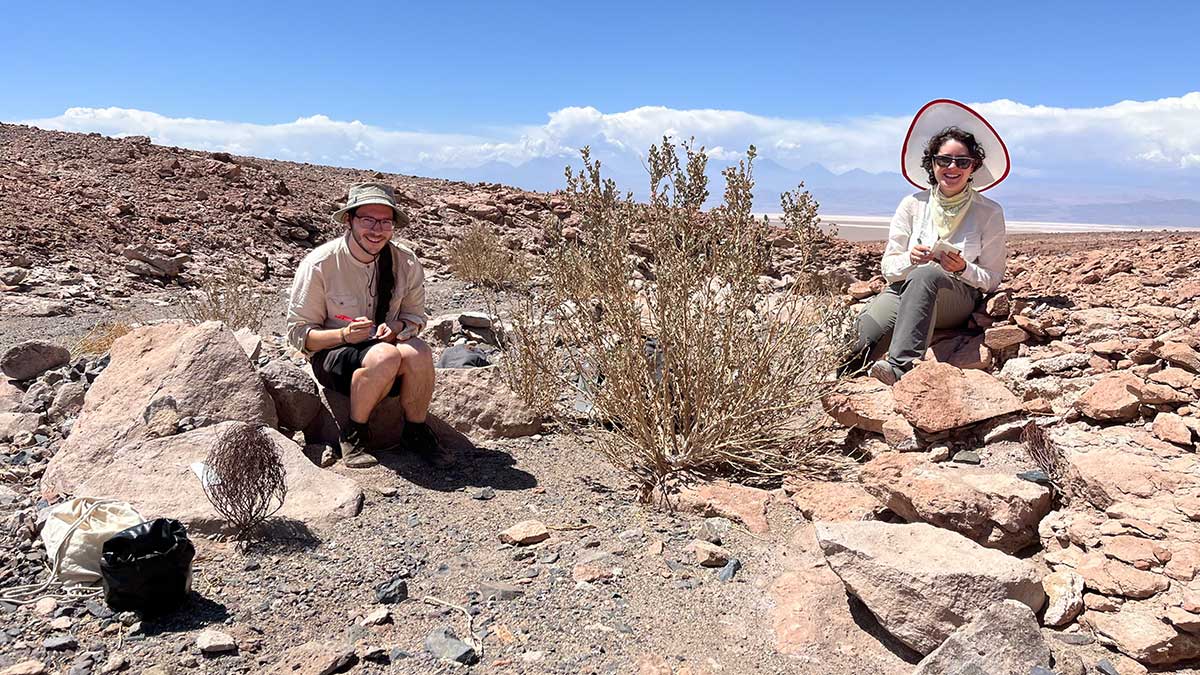
ExcursionSmall excursion together with Robert Hadfield (from C07) to locate new Kissenia populations. These plants are found almost exclusively growth in quebradas or dry riverbeds.
Photo: Marianela Marino


Laboratory workLaboratory work: extractings DNA from locally collected plants as part of the Summer School training program, with guidance from Prof. Dr. Dietmar Quandt from the University of Bonn.
Photo: Marianela Marino


Scenic viewScenic view of Gobabeb Research Institute from the surrounding sand dunes.
Photo: Marianela Marino


CertificateCertificate of Participation. As PhD students from the CRC project, we were not only able to participate in and gain knowledge from the training, but also assist other students with our expertise.
Photo: Julia Simonis


ExcursionSmall excursion together with Robert Hadfield (from C07) to locate new Kissenia populations. These plants are found almost exclusively growth in quebradas or dry riverbeds.
Photo: Marianela Marino

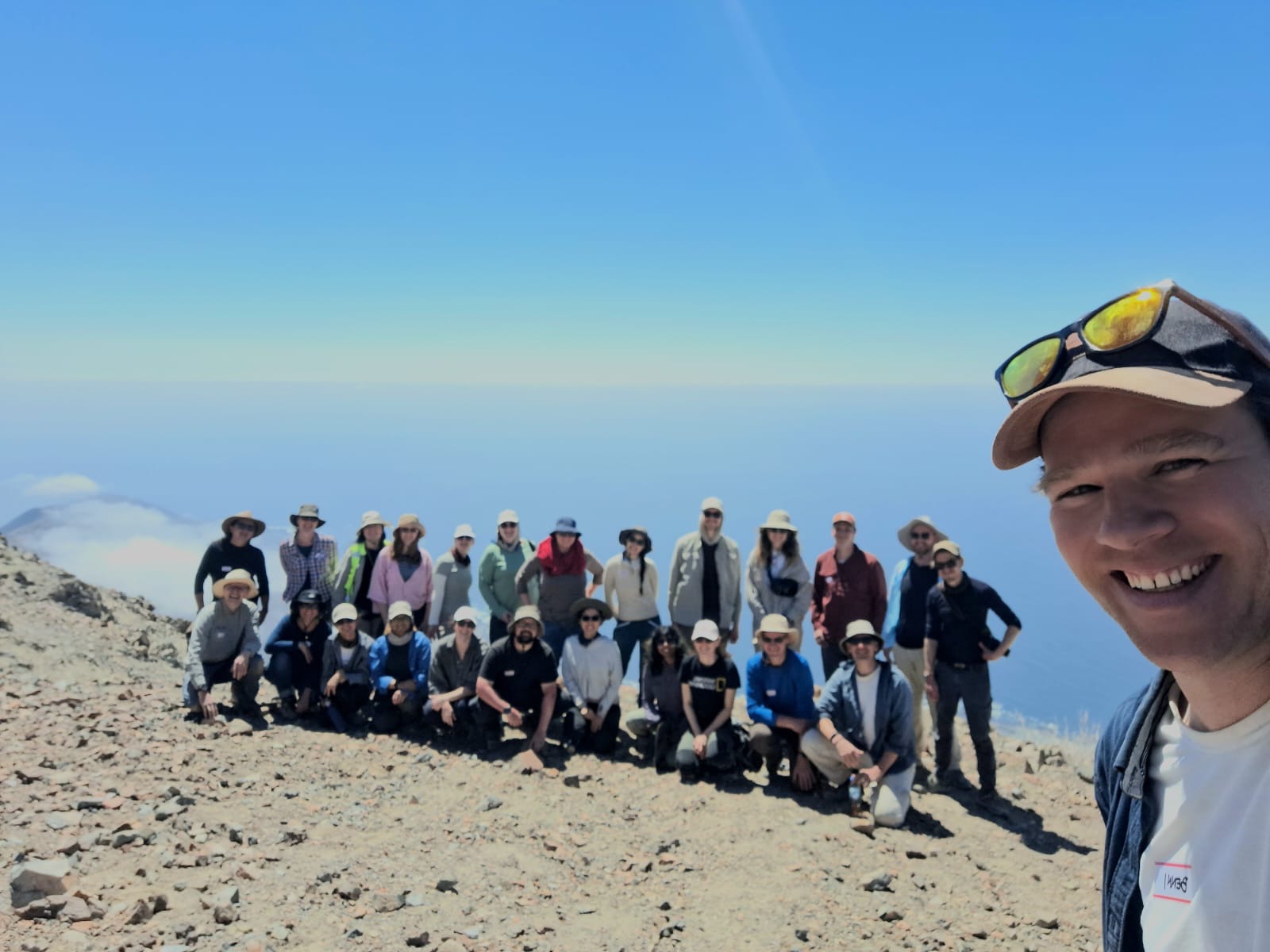
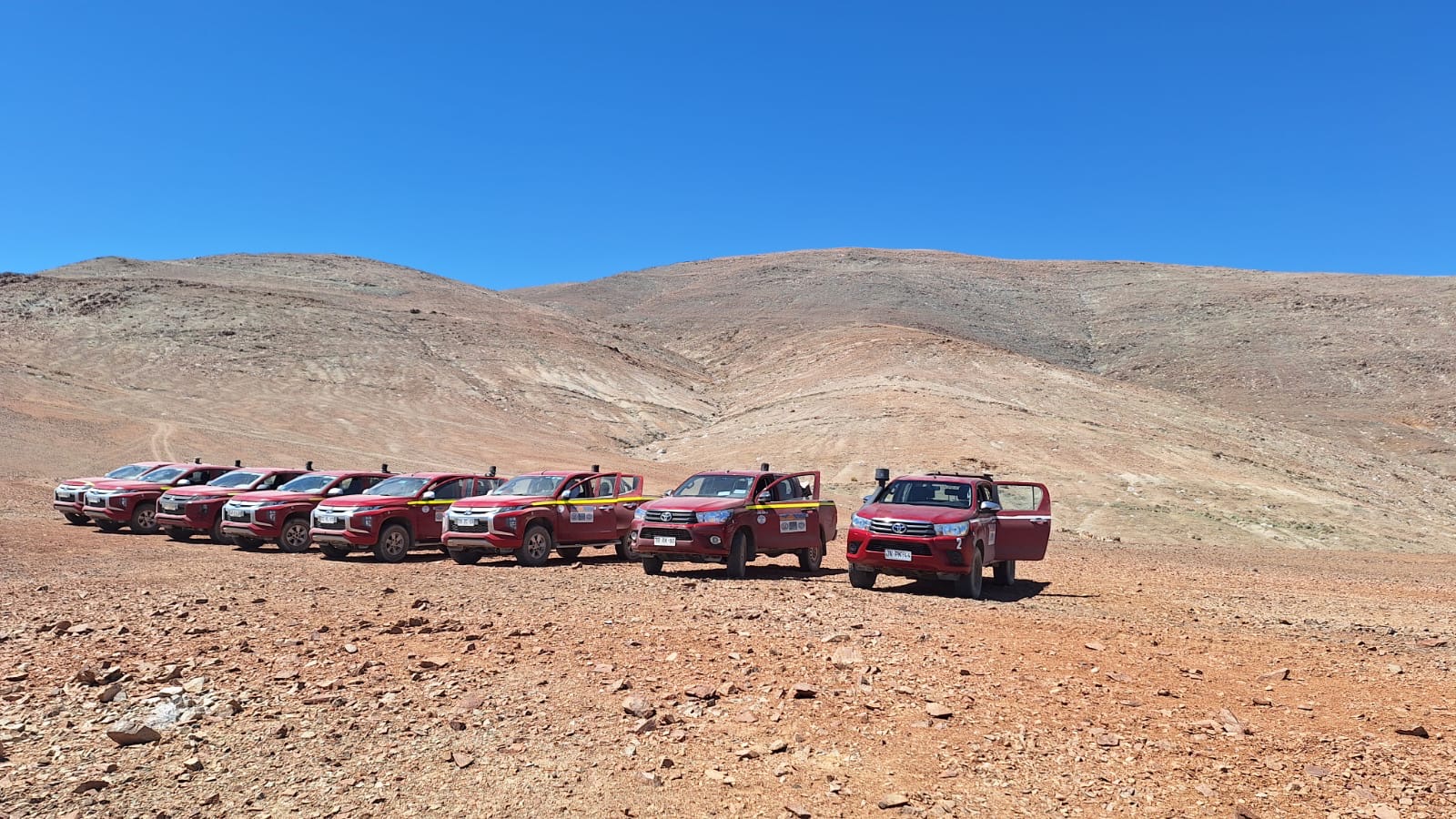
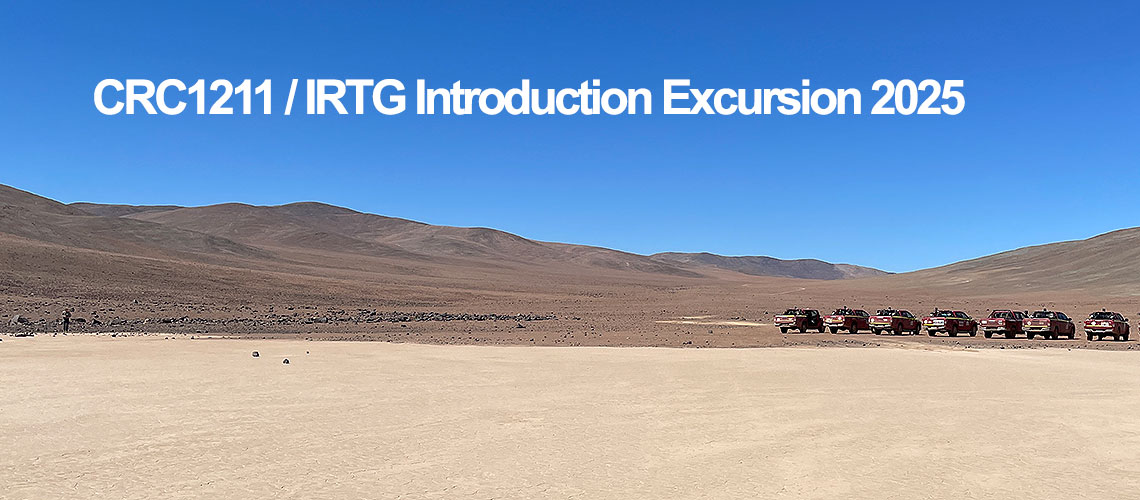
CRC1211/IRTG Introduction Excursion 2025

Day1 | Day 2 | Day 3 | Day 4 | Day 5 | Day 6 | Day 7 | Day 8
slider

all Pictures © Benni Ritter-Prinz, Hannah Hartung & Damián A. López


Day 1:
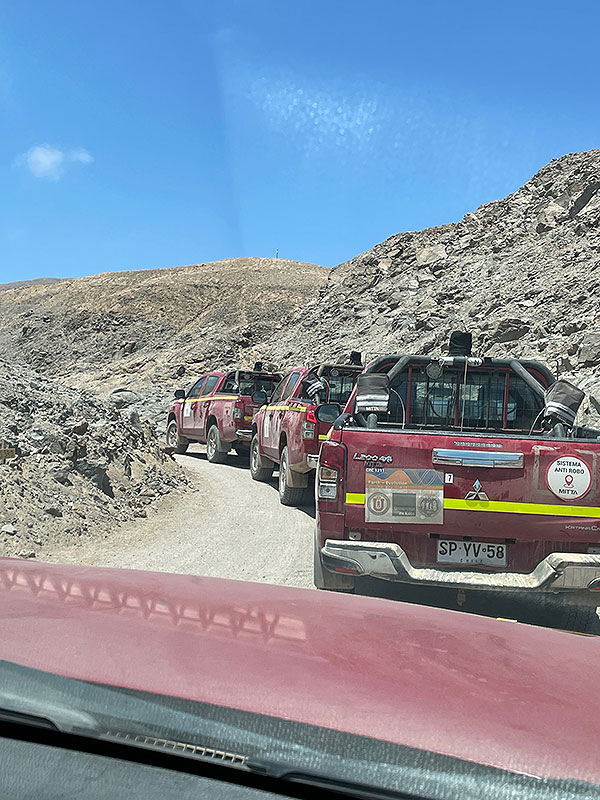
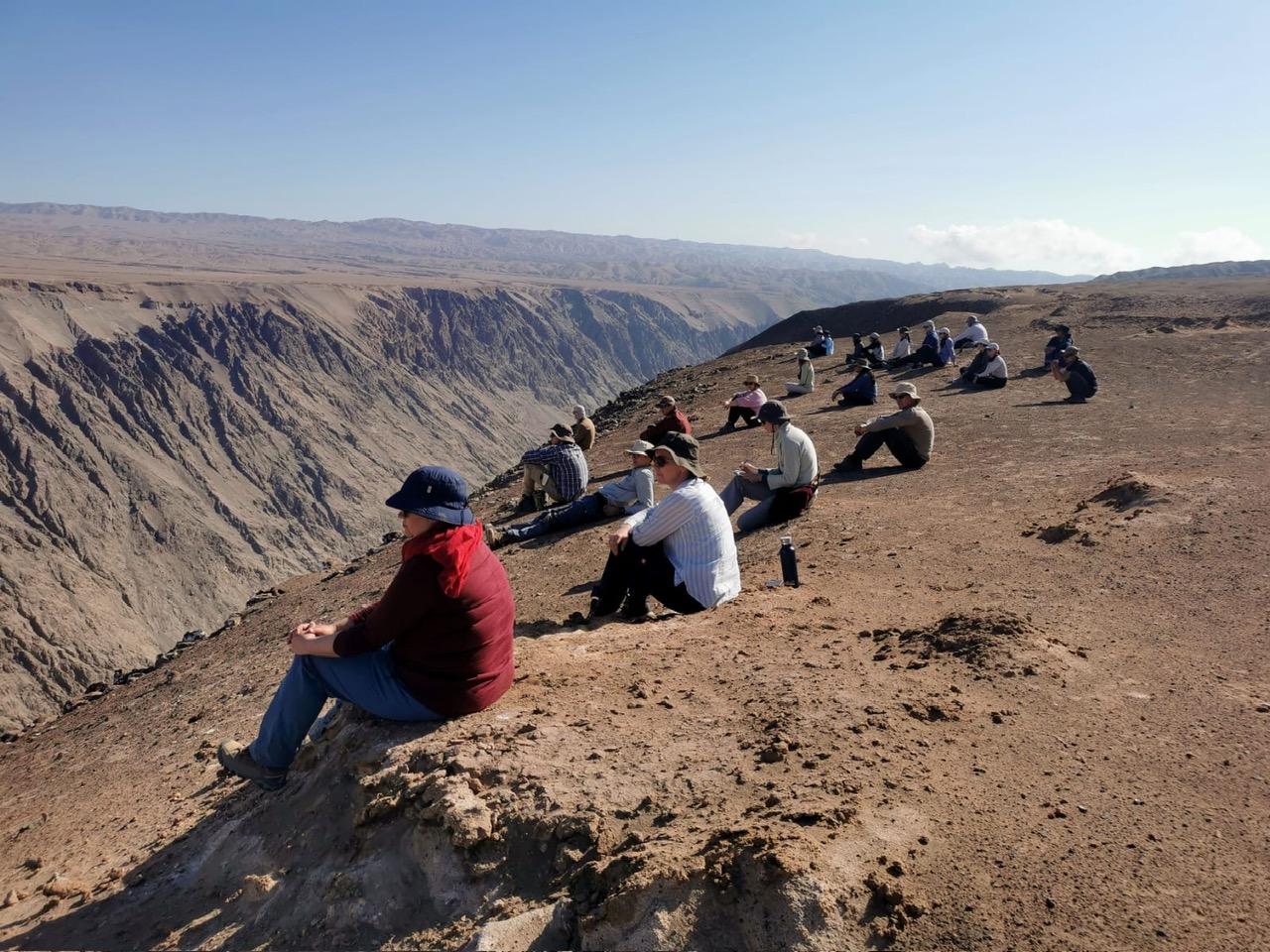
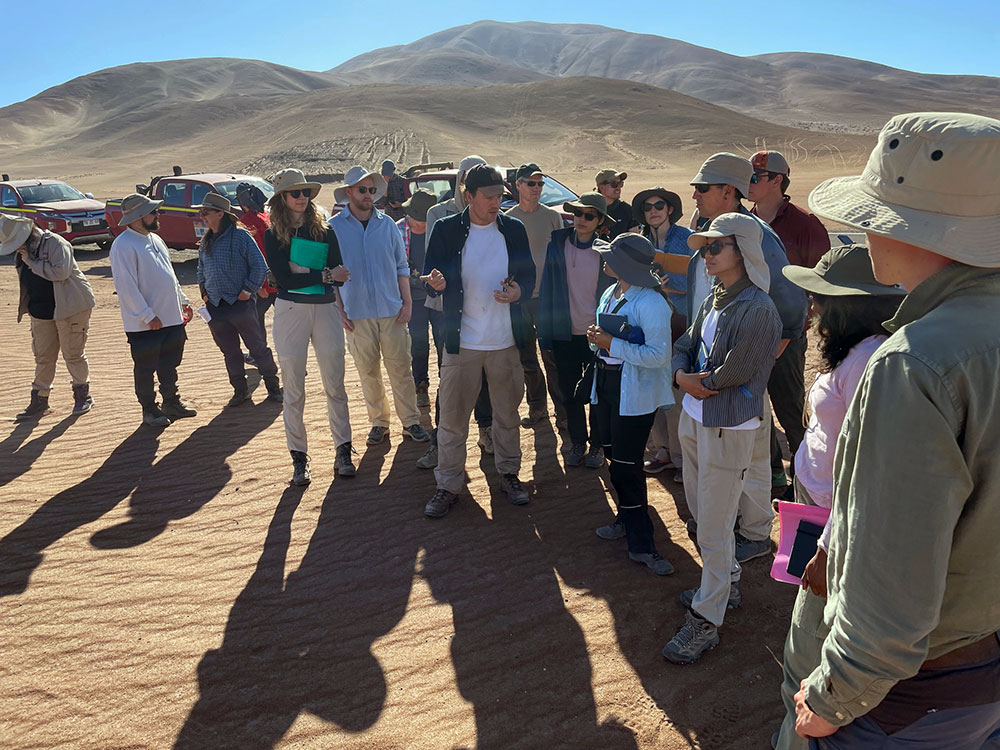
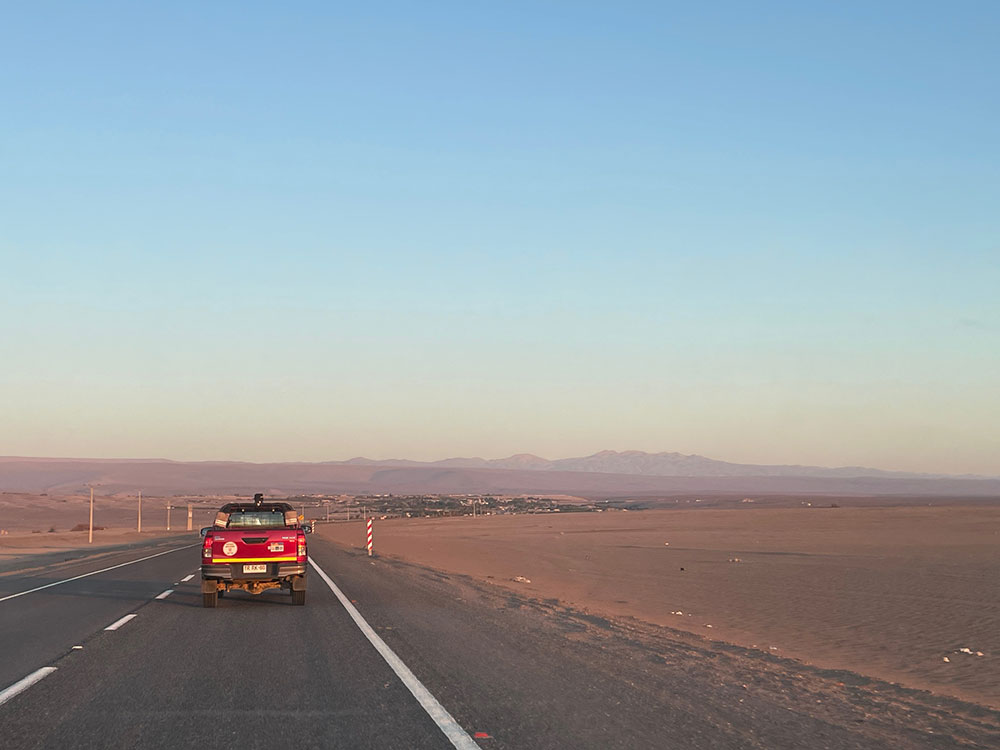
The introduction excursion of the CRC1211 started on Sunday 9/03/25 going from Antofagasta to Taltal with various stops along the road.

 Bild  Bild  Bild  


Day 2:
Focus area of the second day was the Paposo transect.

Bild Bild Bild Bild


Day 3:
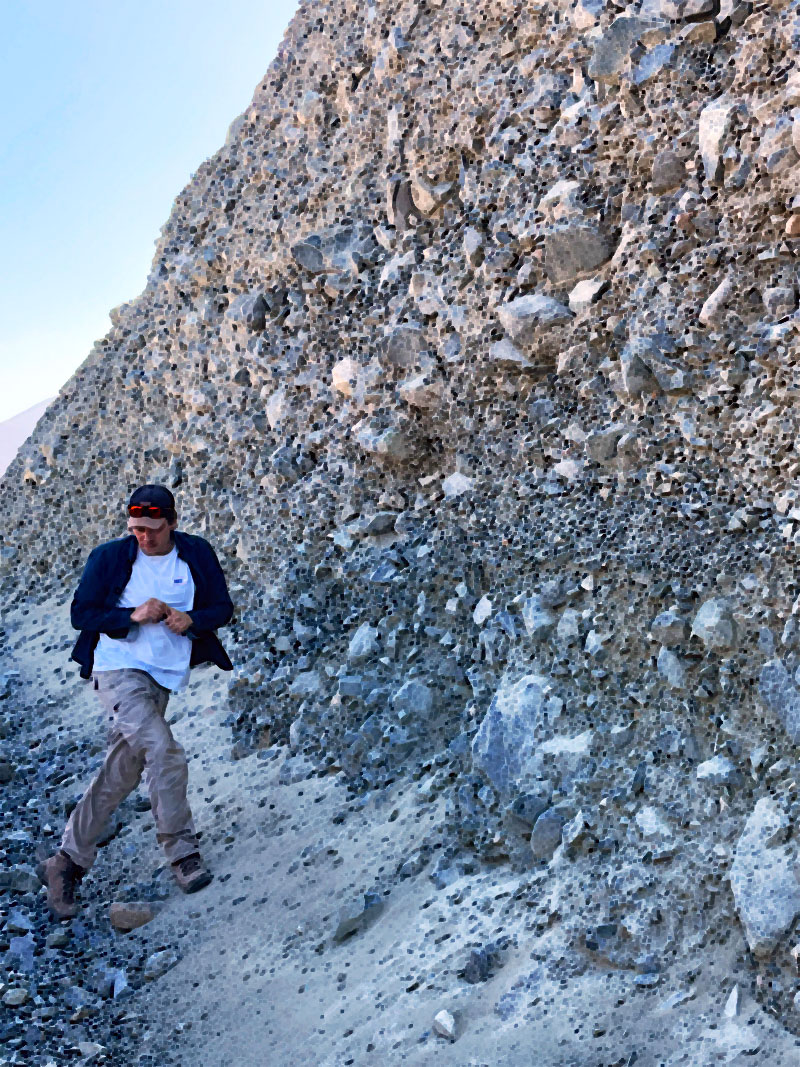
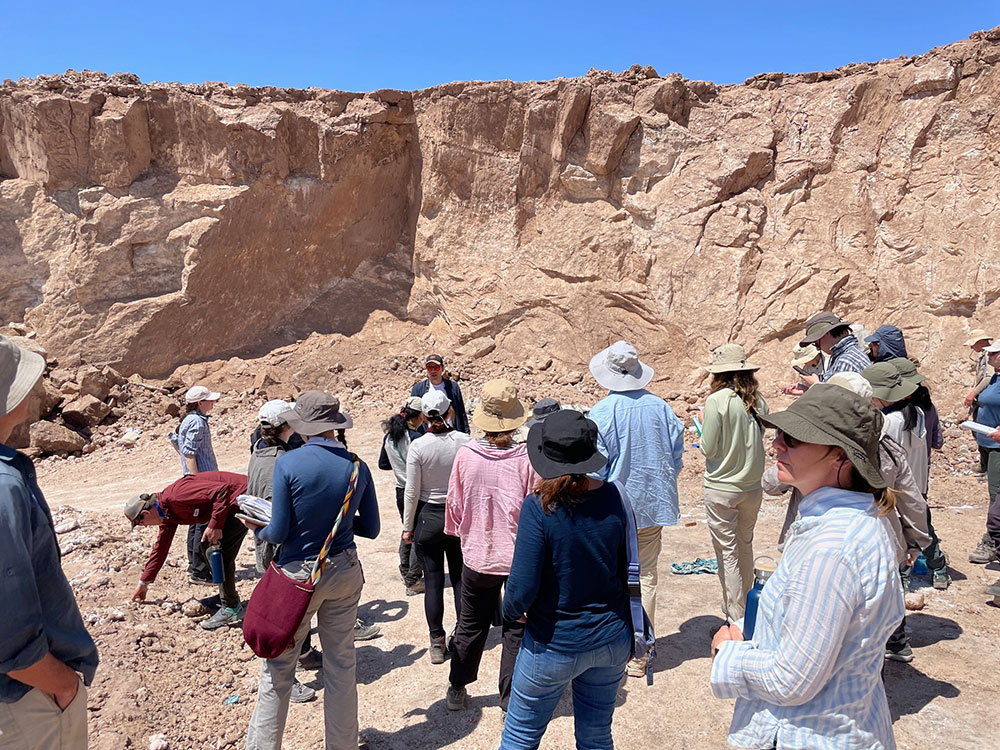
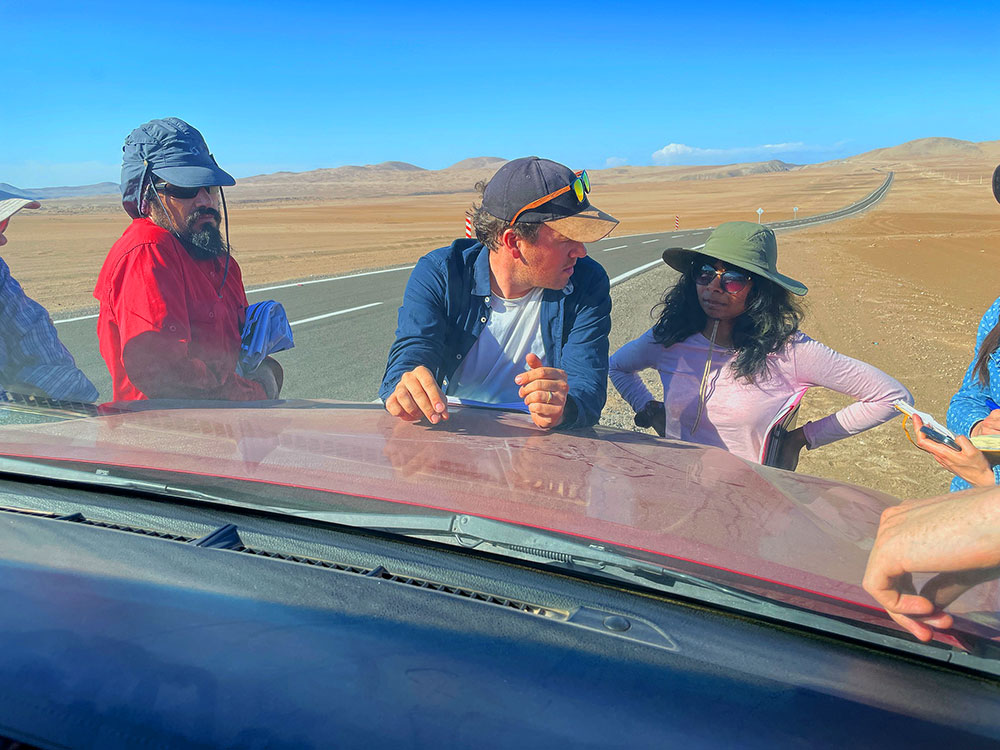
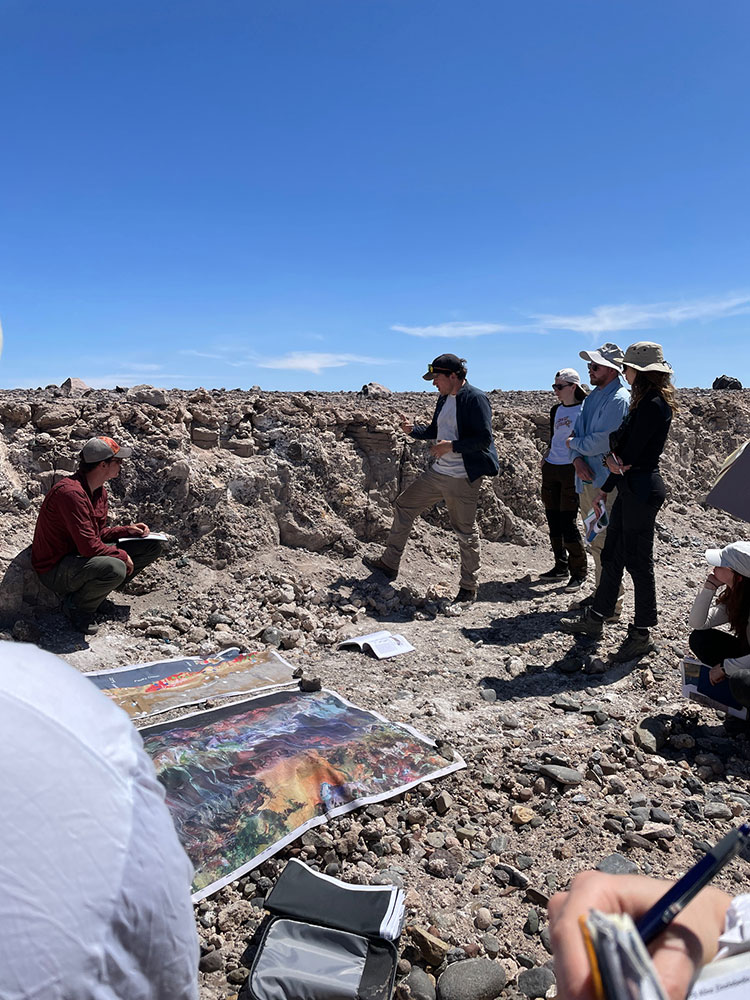
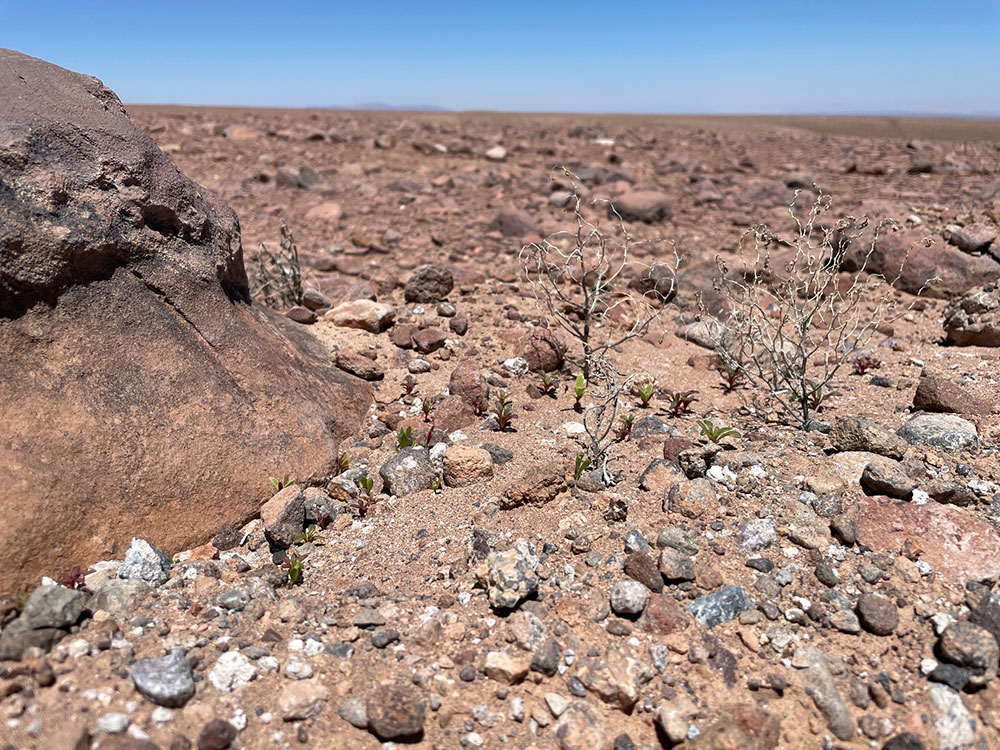
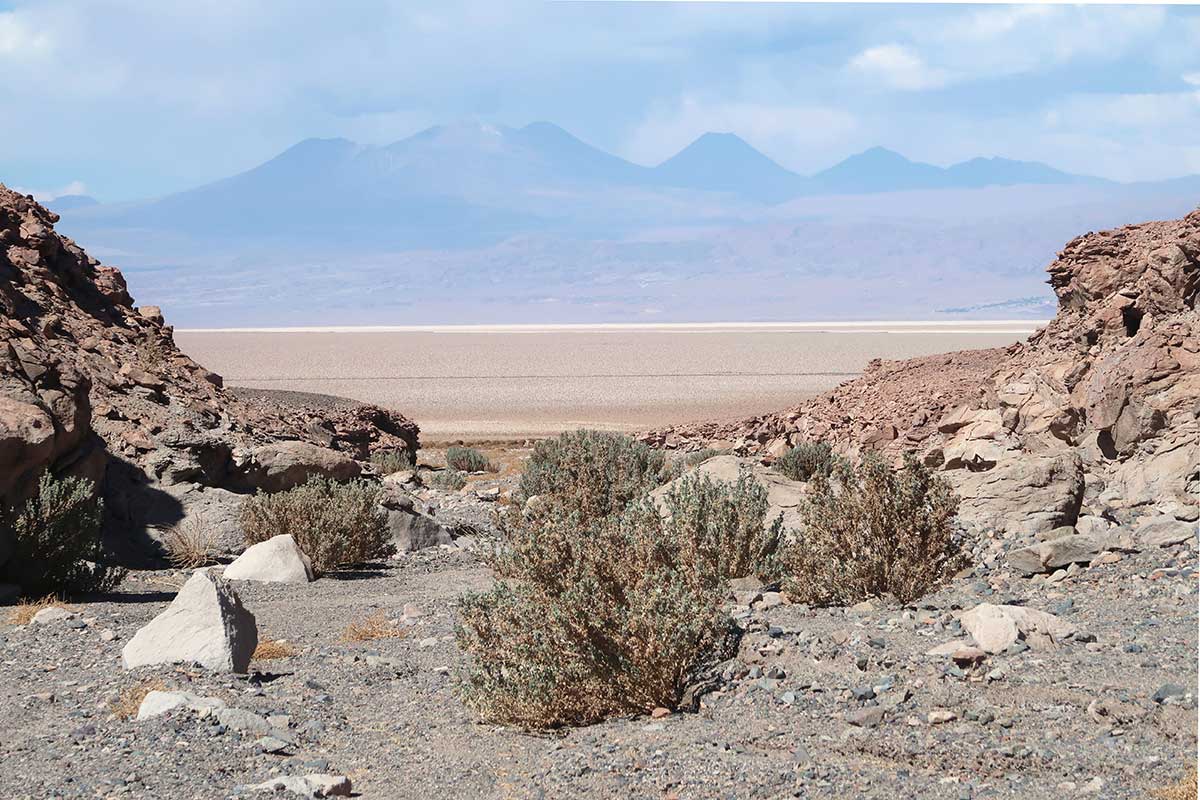
Visiting the sampling site of the irrigation experiment. We explored alluvial fan deposits along the coastal road from Taltal to Antofagasta and meeting up with the B project to learn something about Huidobria in the Quebrada systems in the Atacama Desert. 

Bild Bild Bild Bild


Bild Bild    


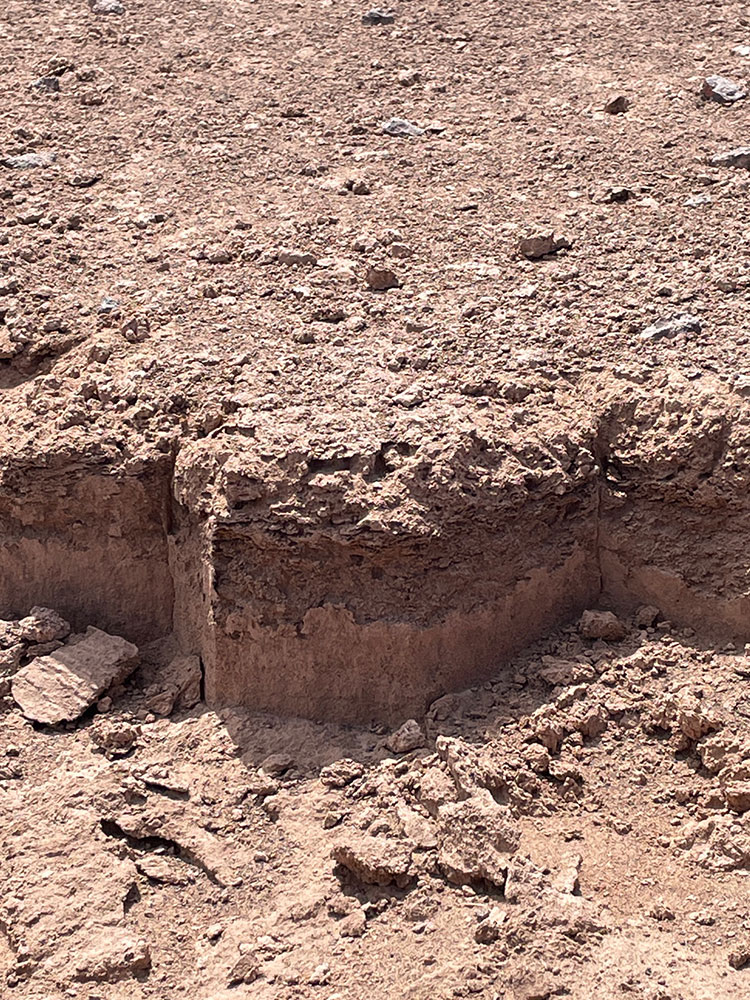
Day 4: “From dust to crust” (Benni)
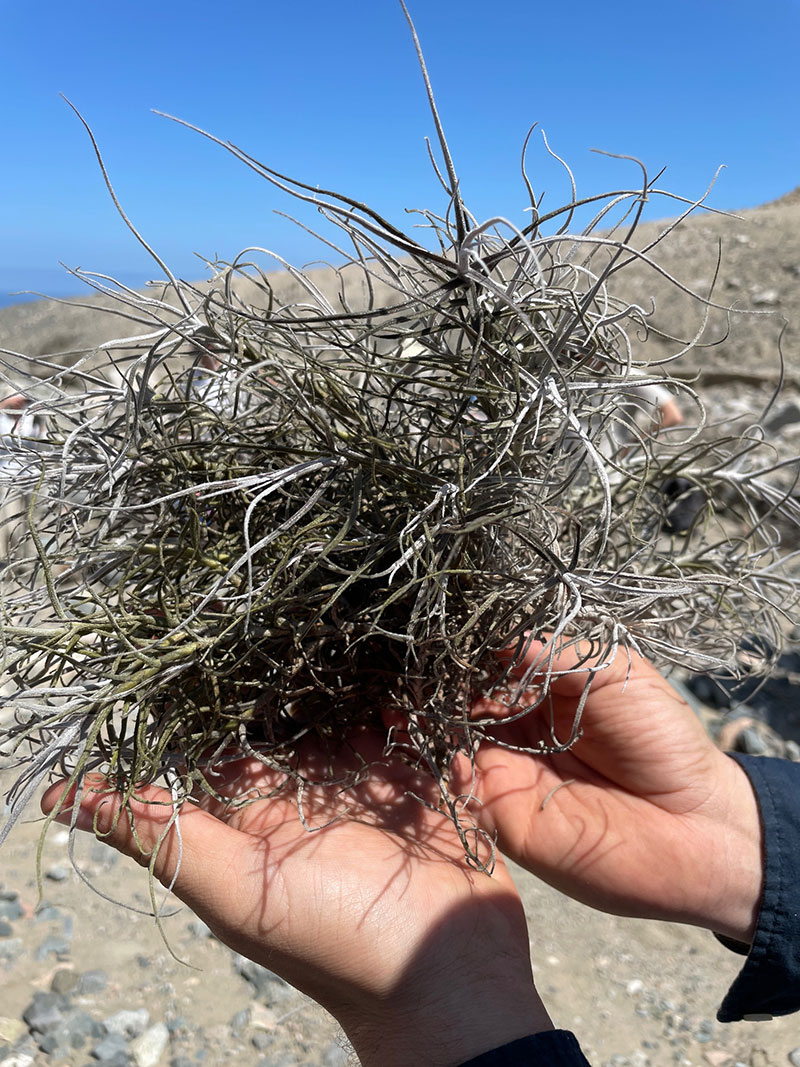
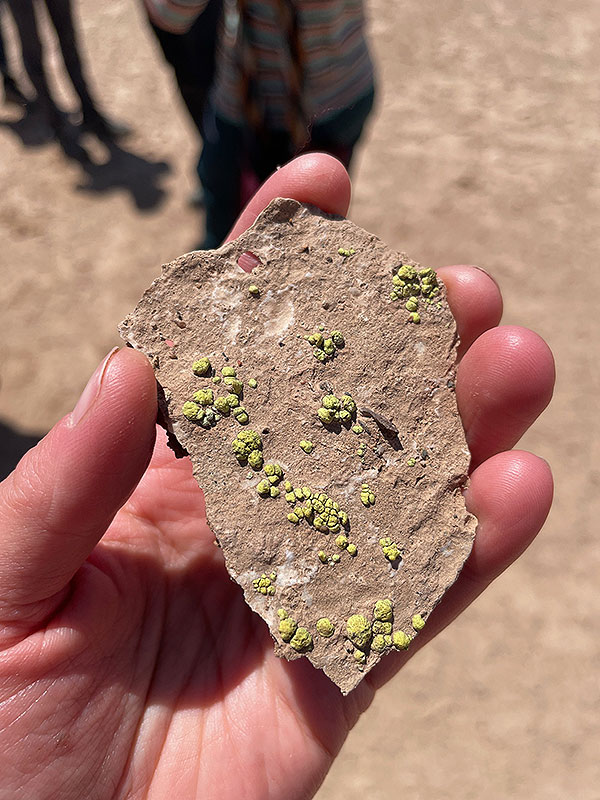
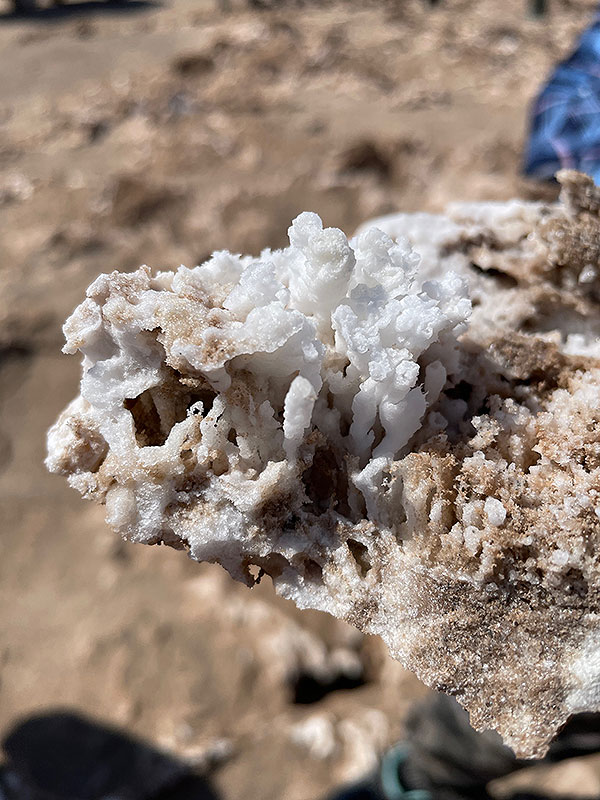
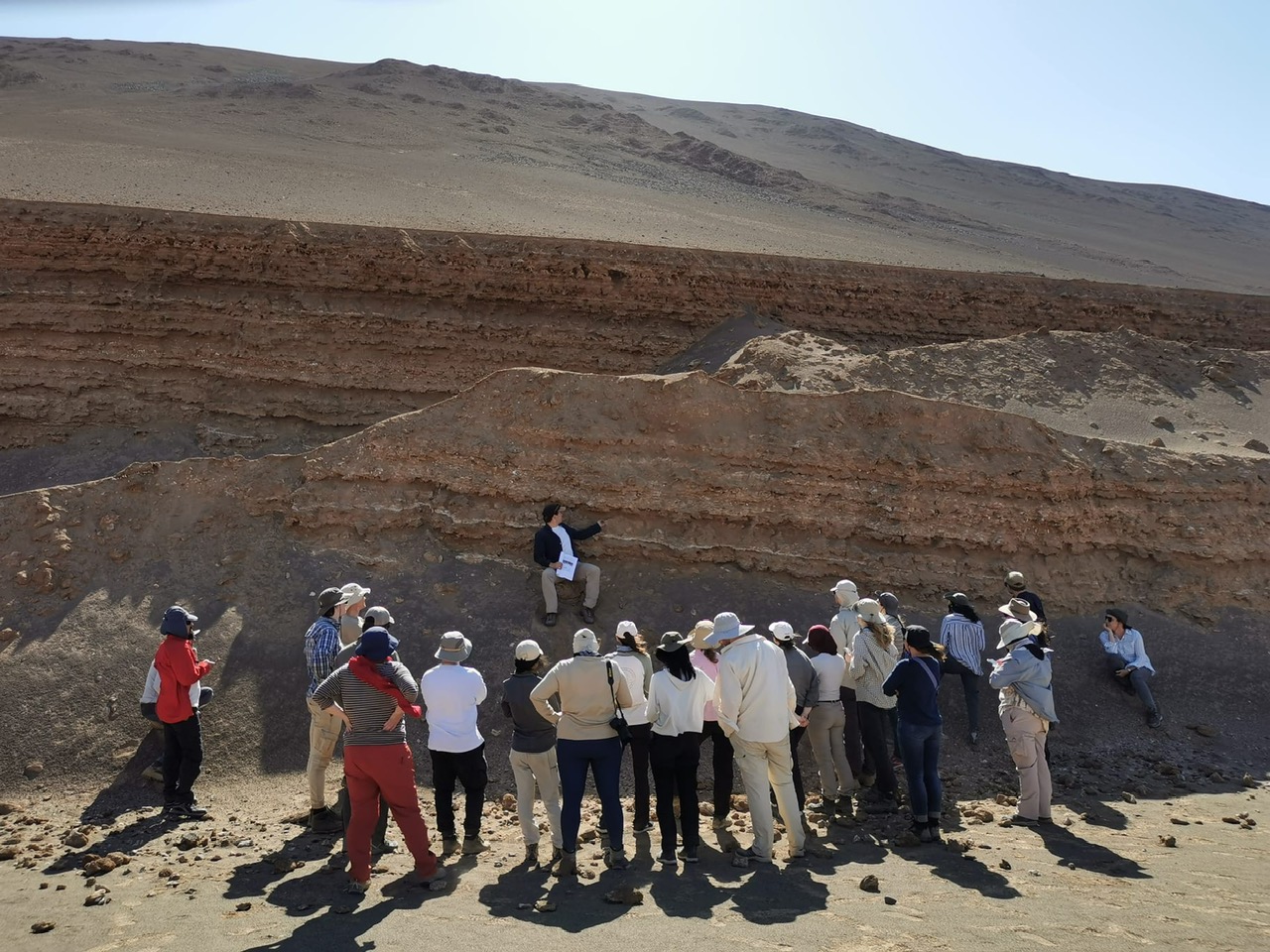
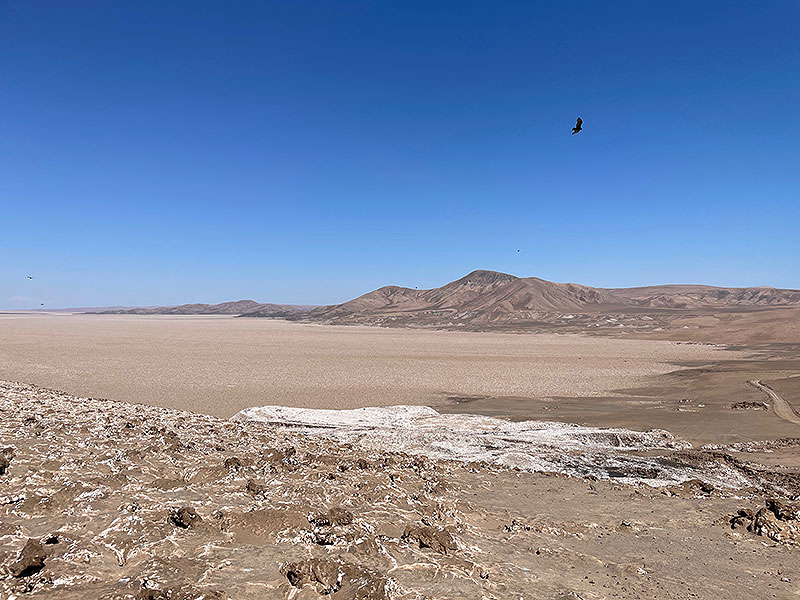
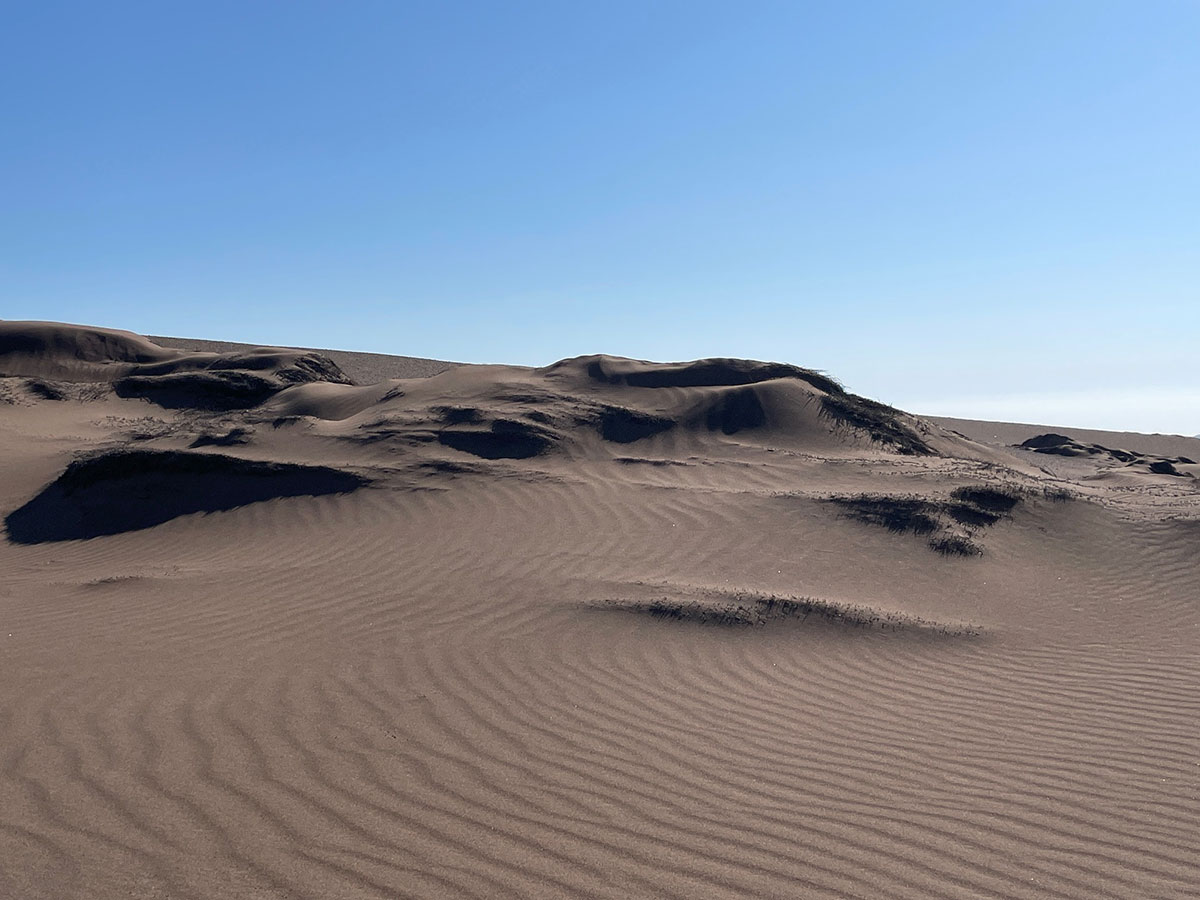
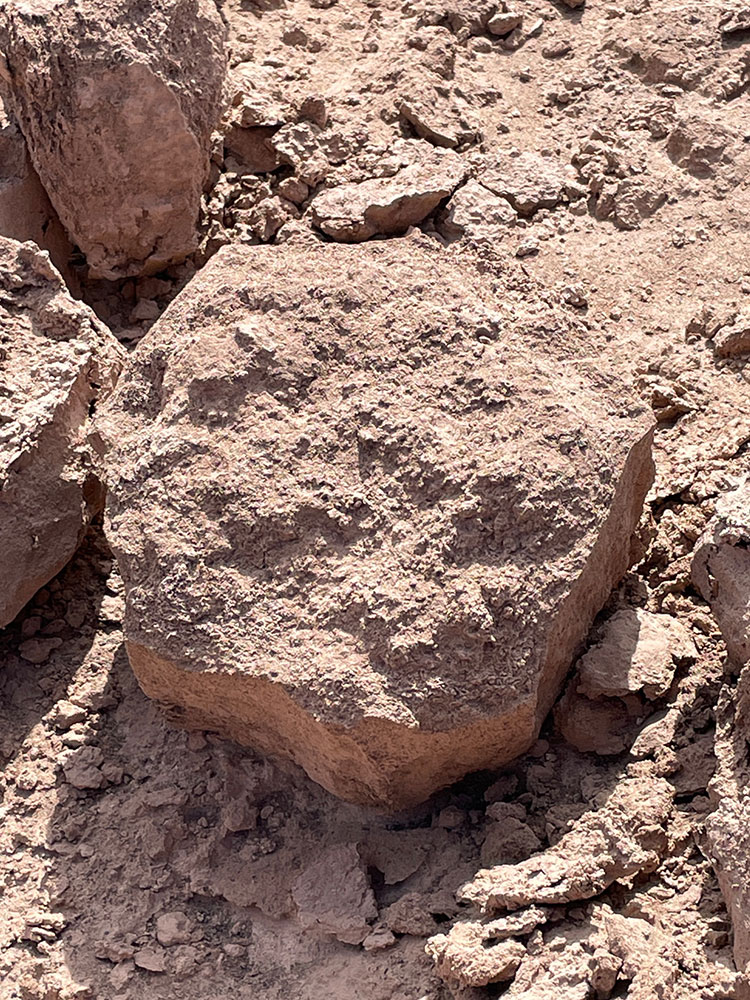
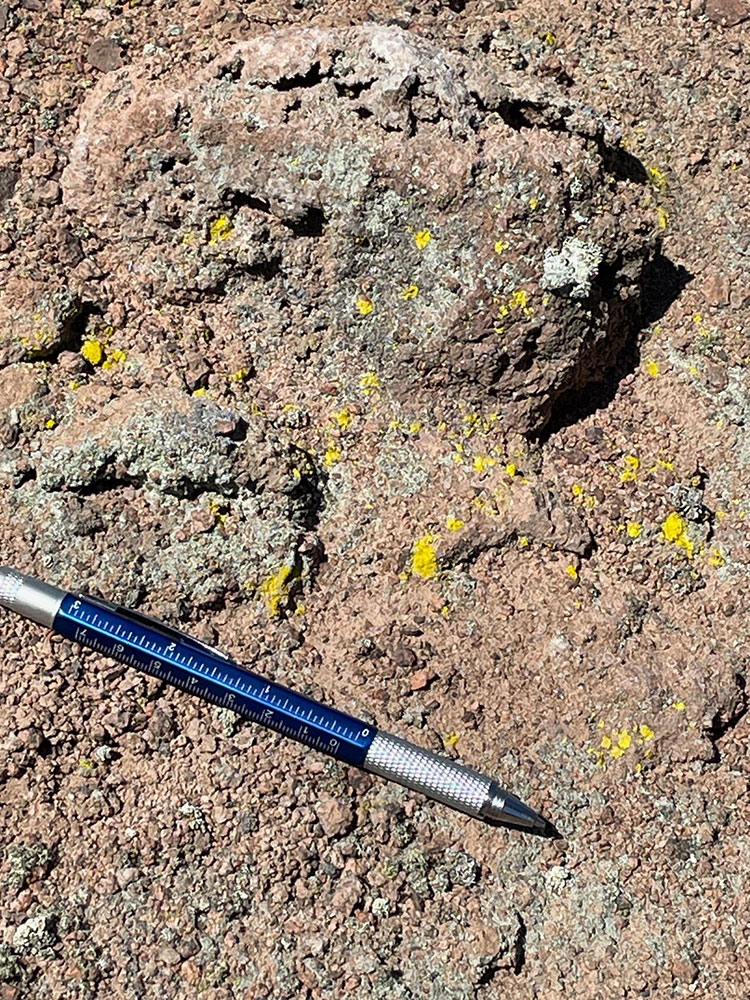
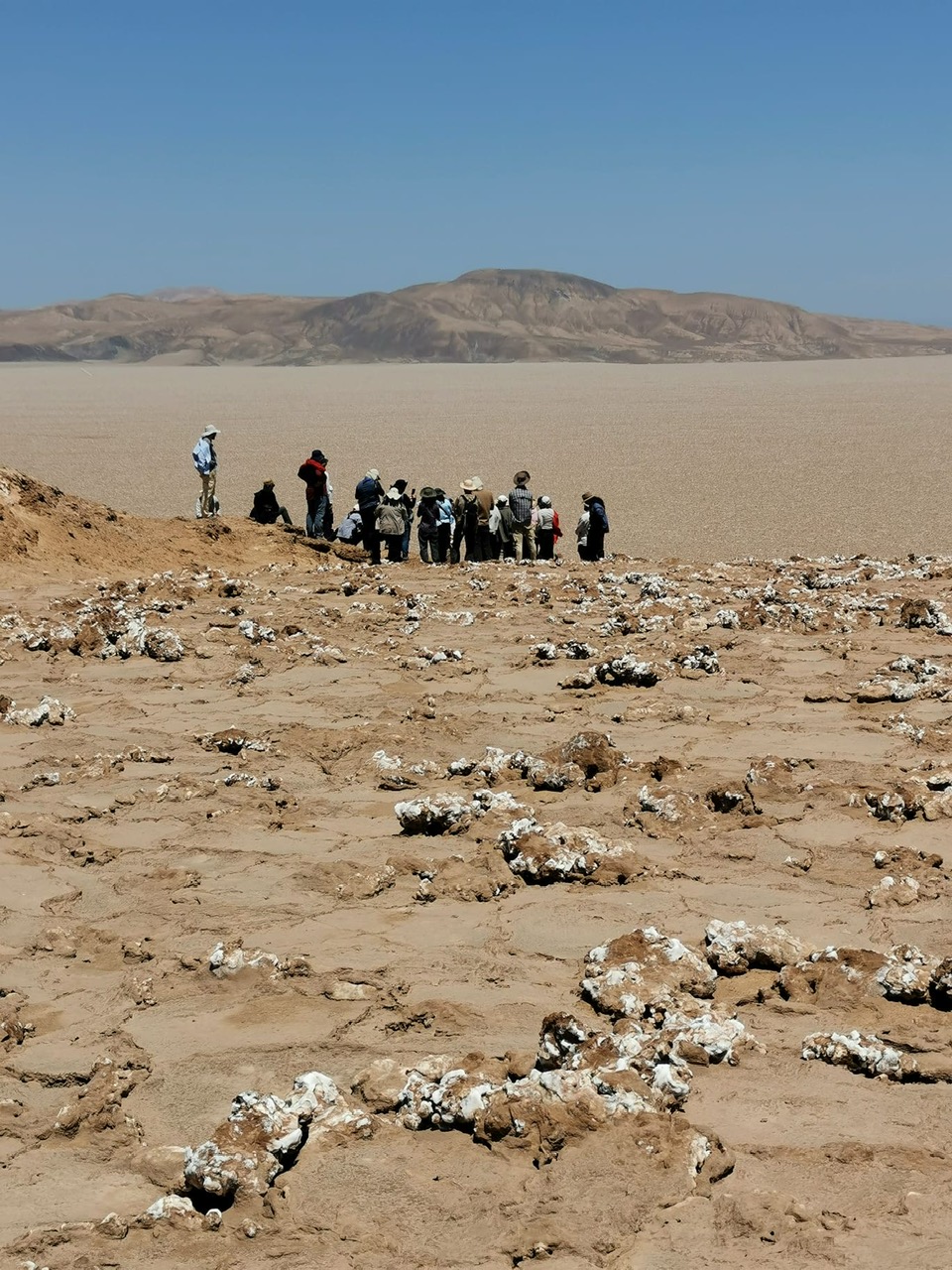
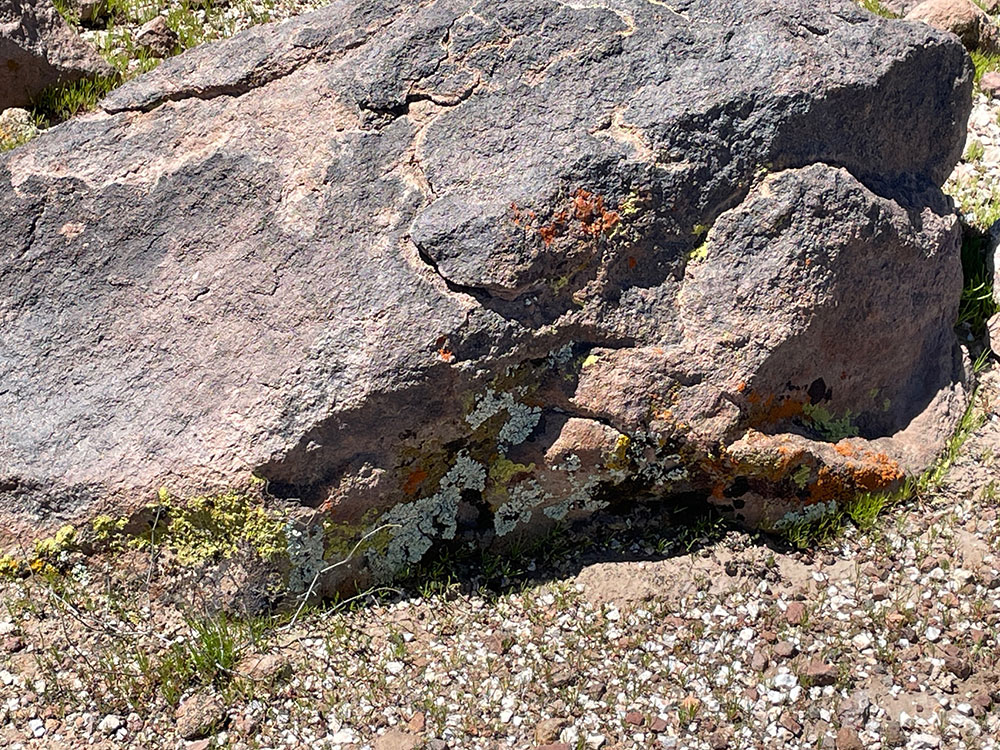
Long drive from Mejillones to Pica. Passing by Salar Grande exploring some gypsum crusts, Tillandsia dunes and tephra layers of the coastal cordillera.

Bild Bild Bild Bild


Bild Bild Bild  


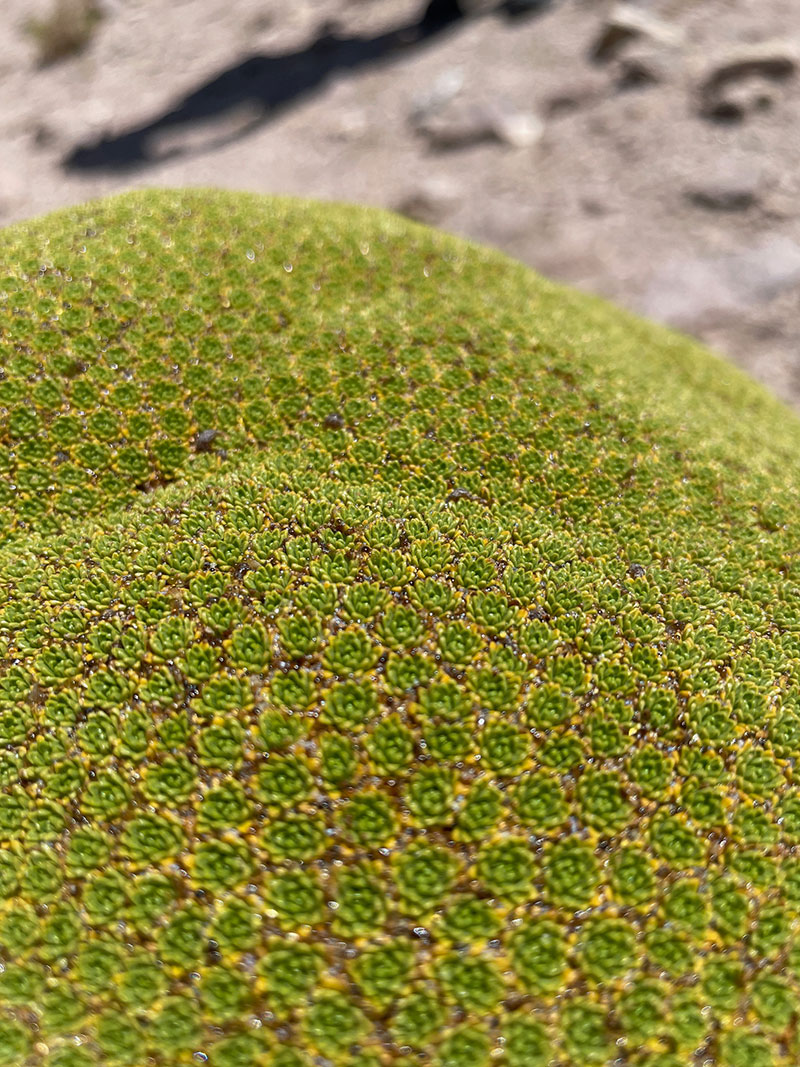
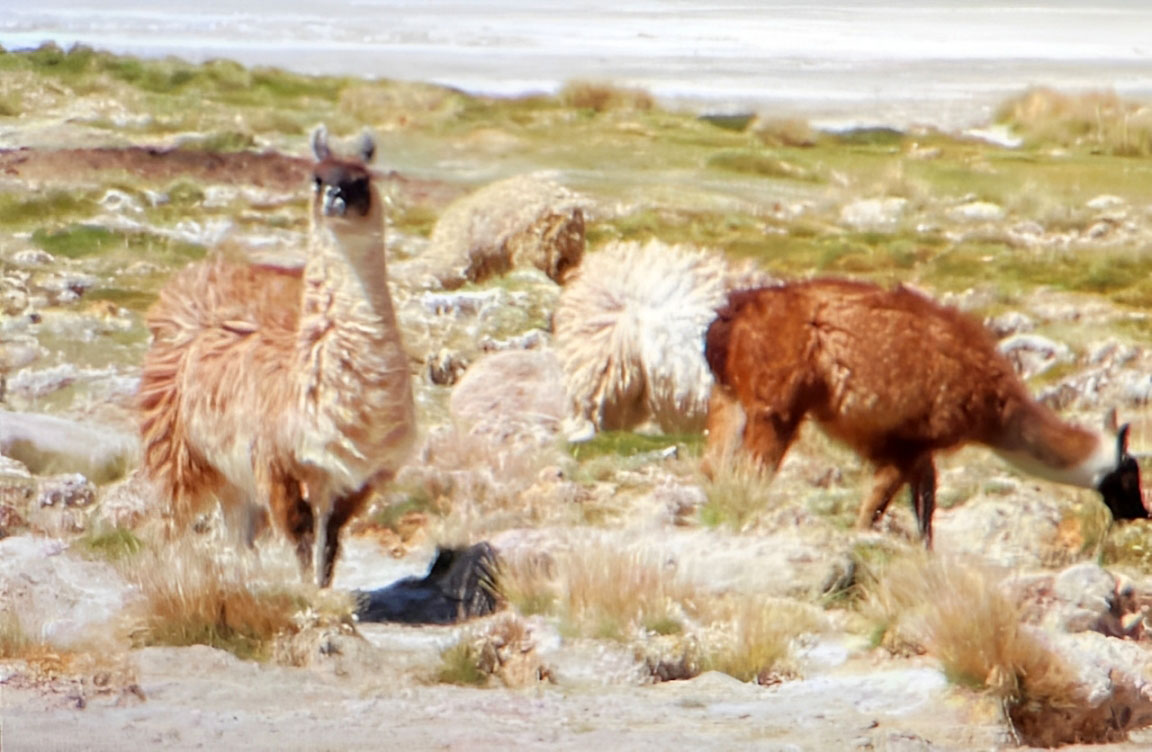
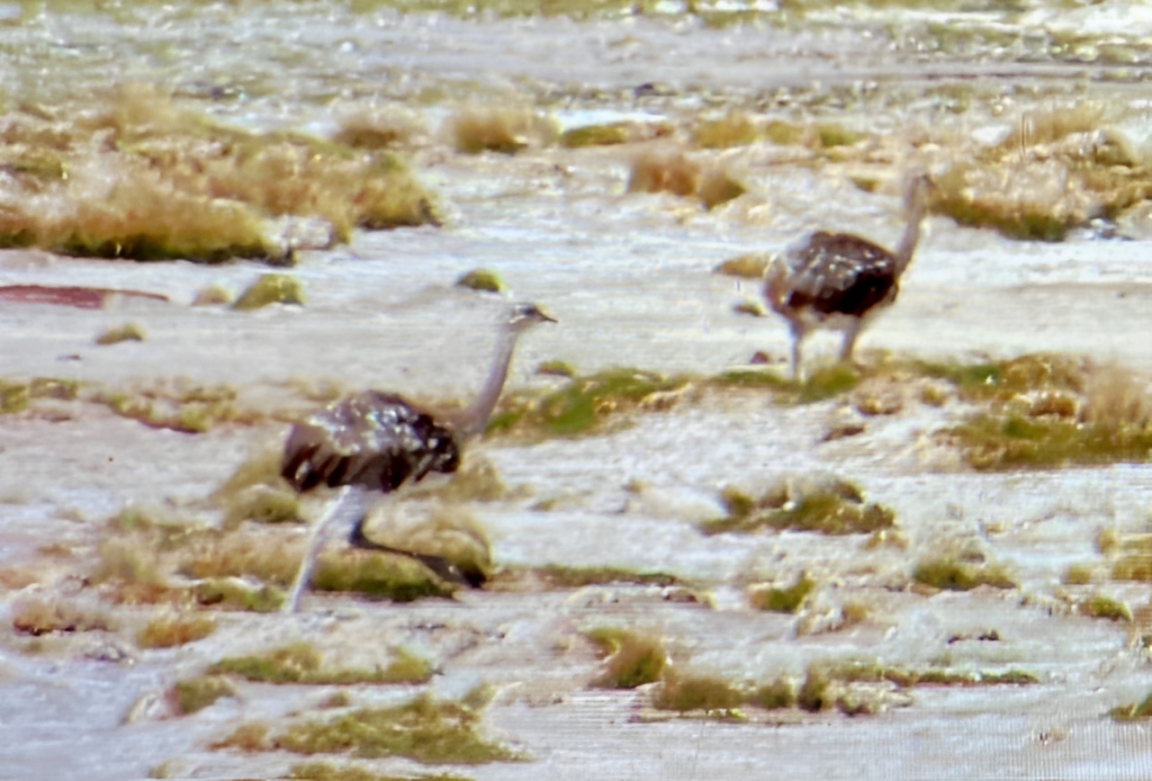
Day 5: Lamas, Lamas, Lamas
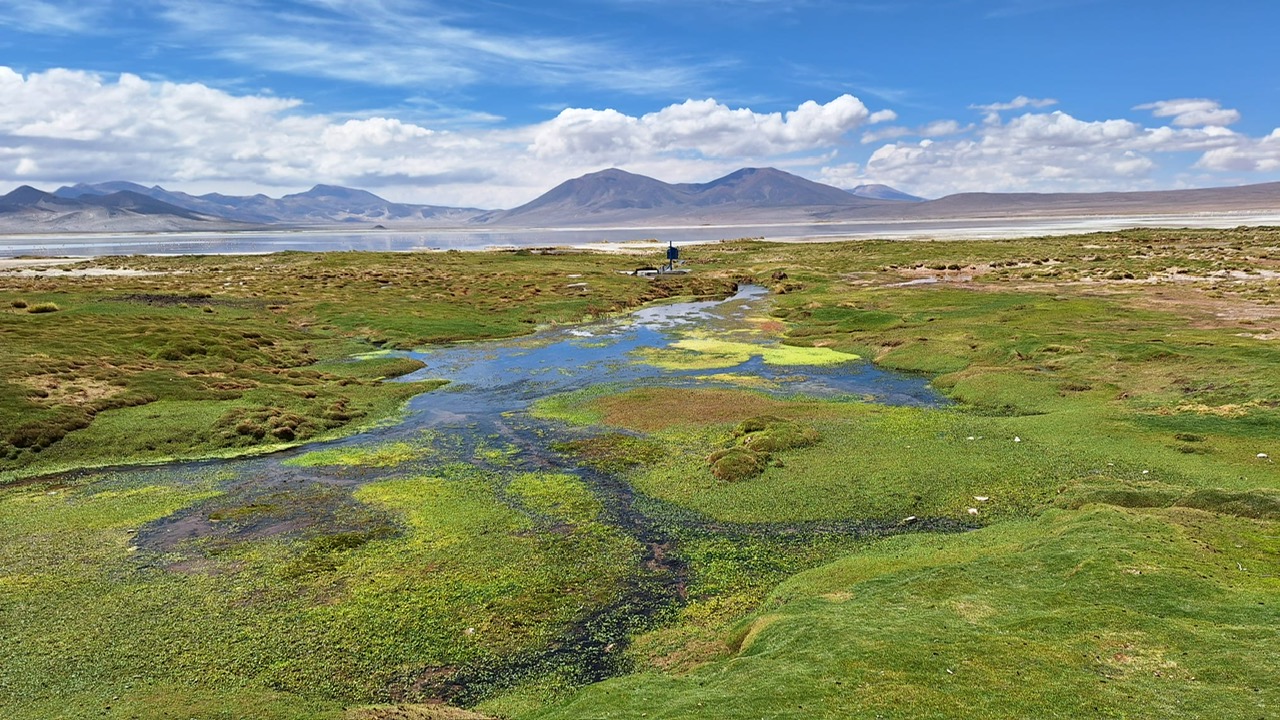
Visiting Salar del Huasco and project D03. We saw Lamas, Nandus, Flamingoes and learned something about isotopes and water inflow.

Bild Bild Bild Bild


Bild Bild Bild  


Bild Bild    


Day 6:
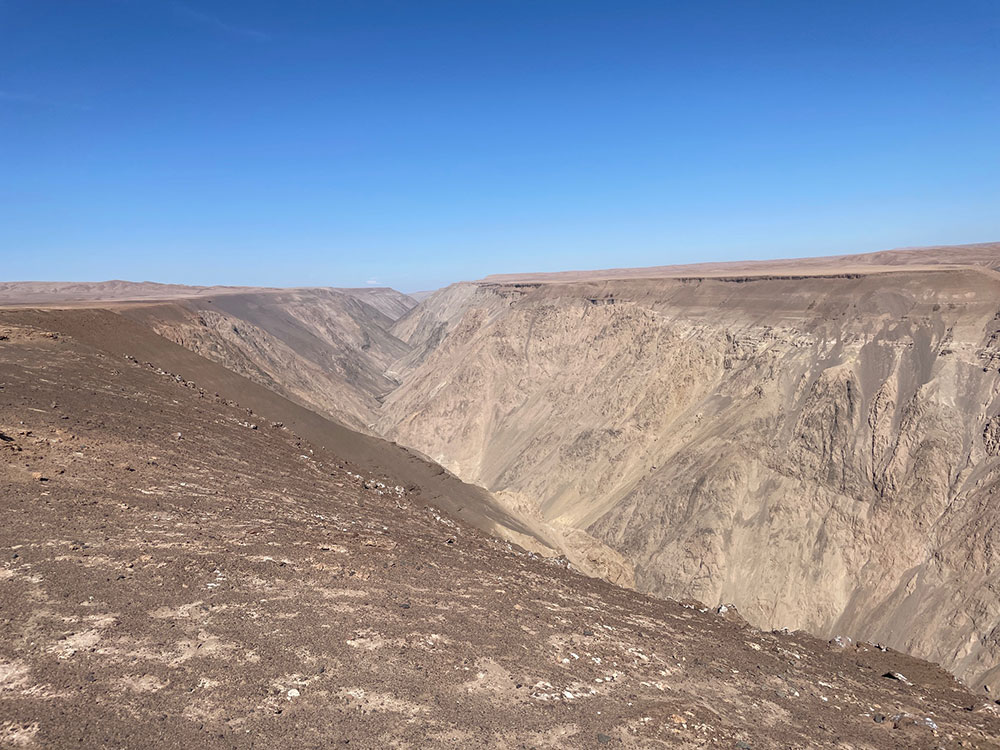
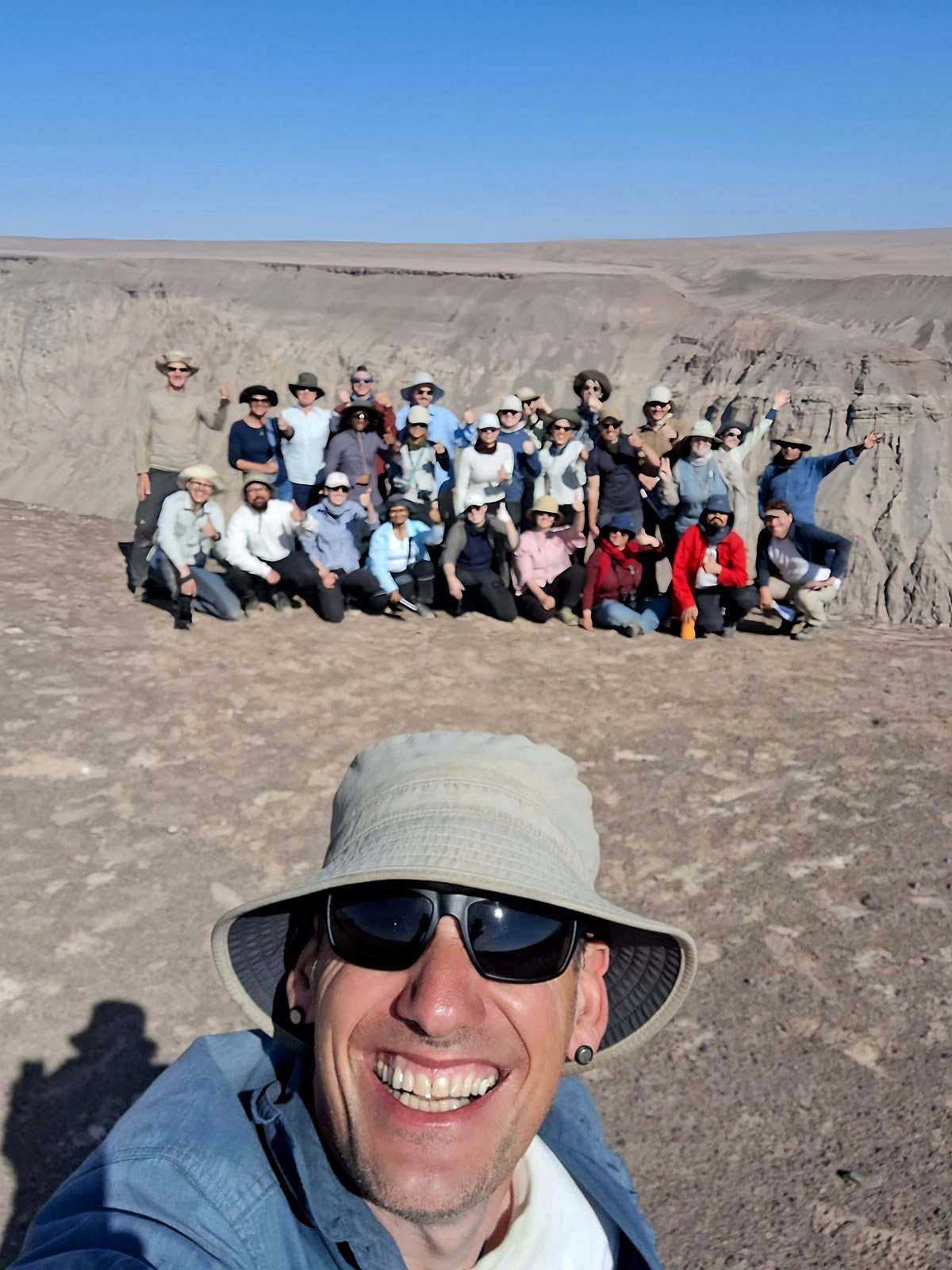
First stop at hyper arid core of the Atacama Desert. Gypsum crusts form in the shape of polygons here - Maindronia (Insecta: Zygentoma) lives there, but we did not see one. Short stop at Salar Grande visiting a salt mine. We had lunch at a site where Tillandsia Lomas occur. Highlight of the day was the visit at Rio Loa canyon viewpoint with a dusty rough ride. 

Bild Bild Bild Bild


Bild Bild Bild Bild


Bild Bild Bild Bild


Day 7: Genesis of the CRC
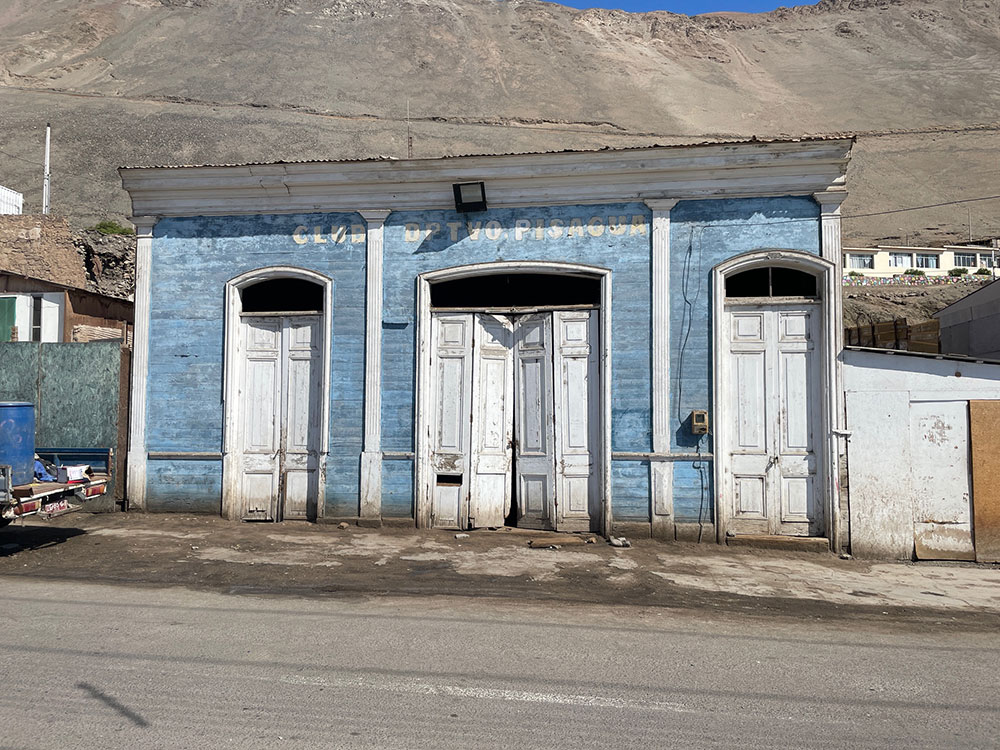
Visiting the maybe oldest surface on Earth to be able to walk on from the Miocene/Eocene (Dunai et al., 2005/ Ritter et al. in prep.). Did some Chilean history by visiting Pisagua. Lunch at Quebrada Tiliviche.

Bild Bild Bild Bild


Bild Bild Bild Bild


Day 8: Aroma Transect
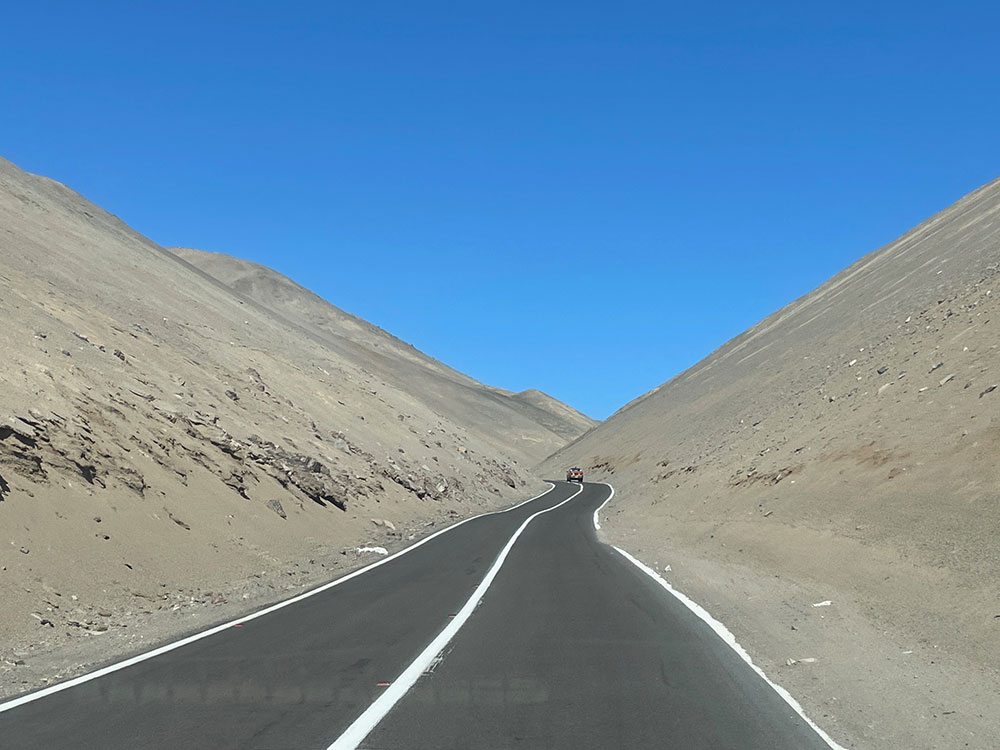
From Miocene to recent - visiting the alluvial fan of the Quebrada Aroma: an altitude transect (1200-2500 m) from hyper arid to arid/semi-arid conditions.
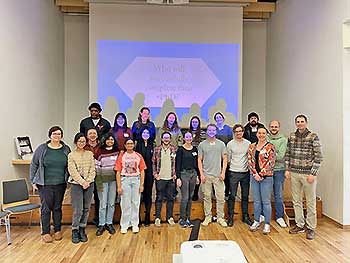
Bild Bild Bild Bild


Bild Bild Bild  

Project C2 presenting at SERNAGEOMIN Lecture Series ‘Geocharlas’


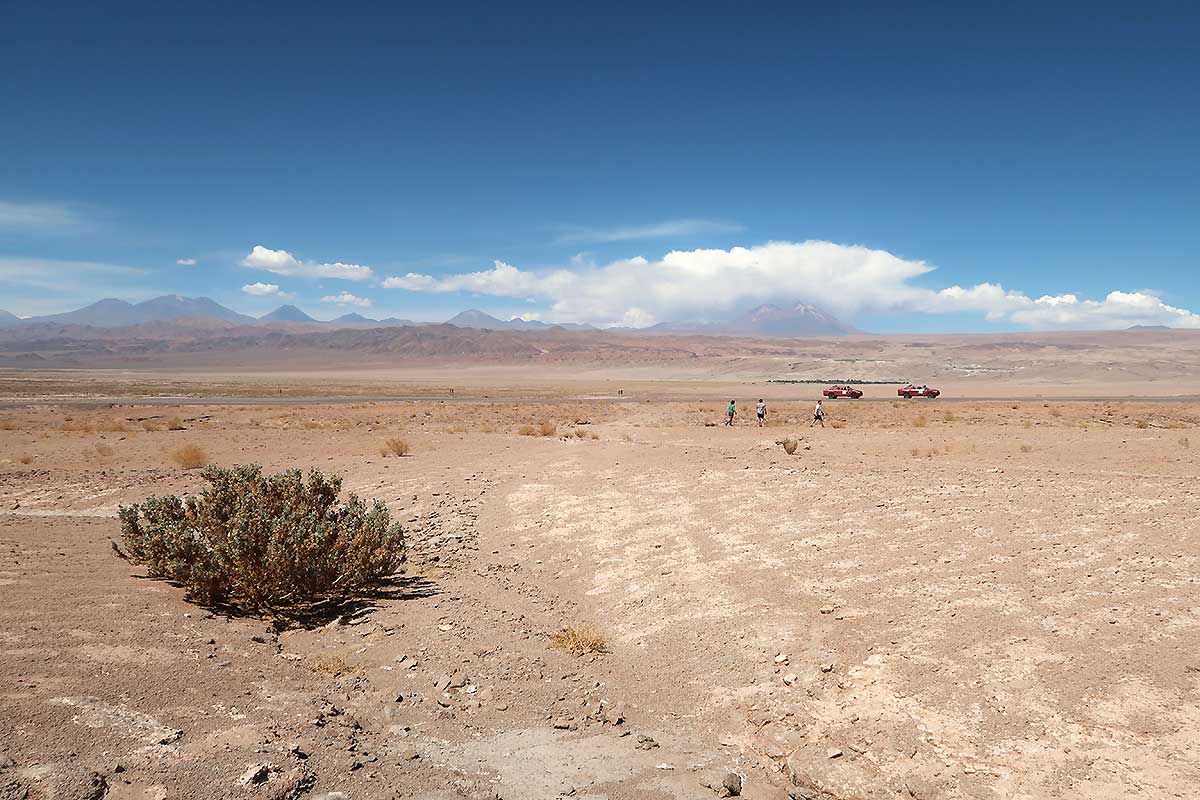
Barren desert landscape with two personens in the foreground
Flyer advertising the first session of the SERNAGEOMIN’s lecture series ‘Geocharlas’ in 2025
Photo & Flyer:
SERNAGEOMIN

Following successful and fruitful collaboration between the SERNAGEOMIN and CRC 1211 since its start in 2016, subproject C02 was invited to present the major results of their research as well as their ideas and objectives for the current, final funding phase to the public. Prof. Frank Lehmkuhl, Dr. Janek Walk, and Dr. Joel Mohren gave presentations as part of the SERNAGEOMIN ‘Ciclo de Geocharlas’ 2025 on the 17th of March at the Andrés Bello University in Santiago de Chile. Moderated by our longtime collaborator Andrés Quezada, C02 took the attendees on a scientific tour on the characteristics of alluvial fans and their function as geo-archives – from a global perspective to the extreme dryland environments in the Atacama and Namib Deserts. 

In the first presentation, Prof. Frank Lehmkuhl gave an overview of the CRC’s structure before presenting a review of alluvial fans in hot and cold deserts. Following on the global perspectives, he linked the findings to the overall research objectives of subproject C02 and summarized the evolution of the project from the first (2016–2020) to the third (2024–2028) funding phase. Subsequently, Dr. Janek Walk gave a holistic insight into the landform characteristics, processes, and evolution of Atacama’s coastal alluvial fans. This included the main findings of his dissertation during the CRC’s first phase as well as the resulting second-phase and ongoing studies at the coast of the Atacama Desert. To conclude the lecture trilogy, Dr. Joel Mohren, postdoctoral researcher in C02 during the second phase, compared the alluvial fan systems between the core Atacama Desert and the arid to hyperarid Skeleton Coast in Namibia. Investigated across transects, the current state of morphometric as well as geochronological results and preliminary deductions were presented. Each presentation was followed by a discussion involving both the attendees in the hall as well as the virtual ones.

All three presentations were live-streamed and are available online via the SERANGEOMIN Youtube channel.

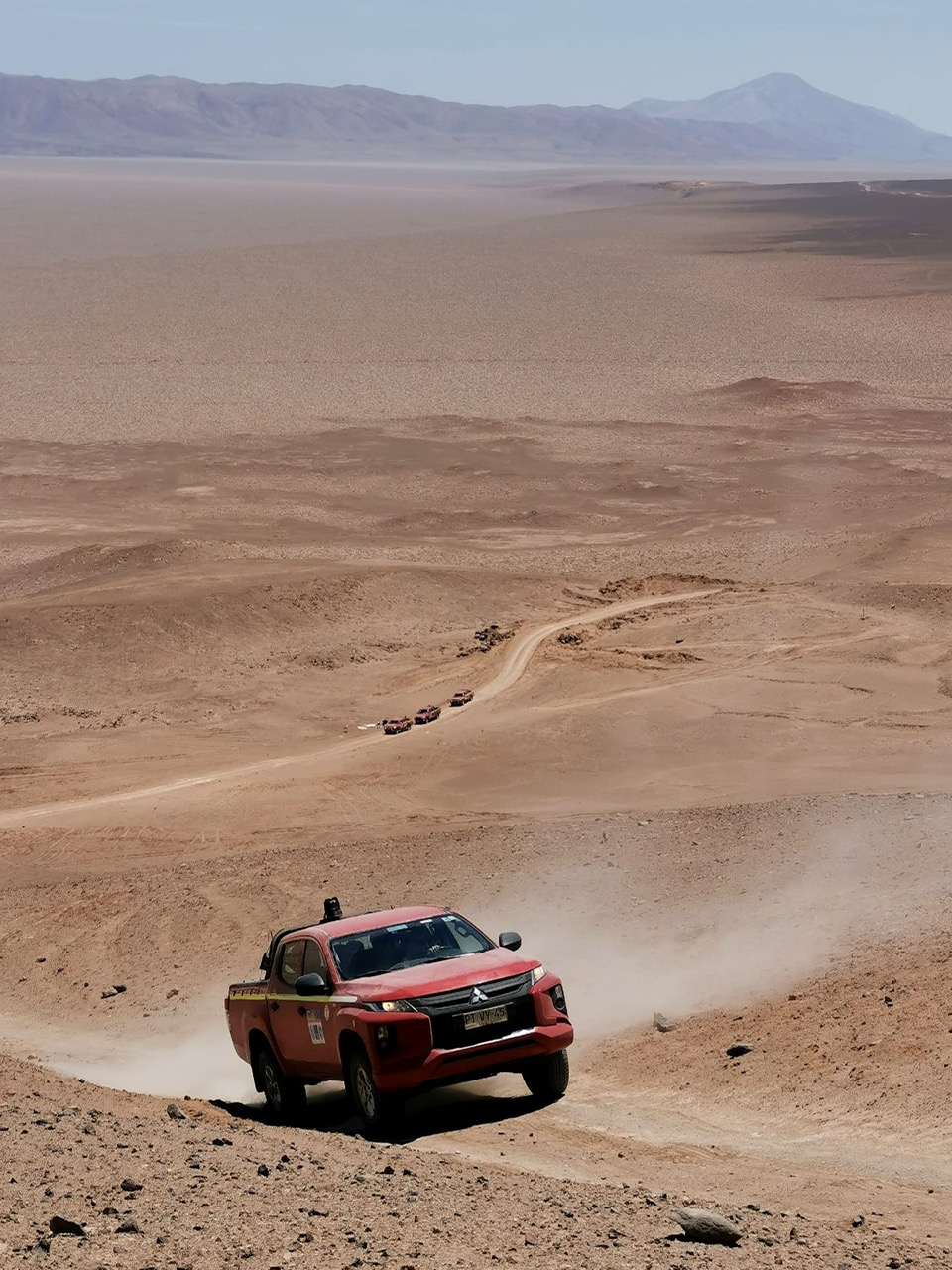
On the following day, C02 started their three-week field campaign to the eastern Atacama Desert and Altiplano – again supported, among others, by Andrés Quezada for over a week.


Three speakers each behind a standing desk

Subproject C02 presenting their research at the Andrés Bello University in Santiago; (left) Prof. Frank Lehmkuhl, (centre) Dr. Janek Walk, (right) Dr. Joel Mohren
Photo: SERNAGEOMIN

IRTG Kick-Off Retreat 2025

We recently kicked off the third funding period of CRC 1211 with an exciting two-day retreat in Bonn organized by the IRTG. It was the perfect opportunity for us PhDs to dive into the projects, connect with the IRTG, and get to know one another.

 
The retreat began with impressive presentations from CRC speakers and PIs, who gave us a comprehensive overview of the subprojects and their connections. Coming from such diverse academic backgrounds, we found this big-picture perspective essential to understanding how all the pieces fit together. It was great to finally put faces to the names of our PIs and learn more about what our fellow PhDs are working on day-to-day.
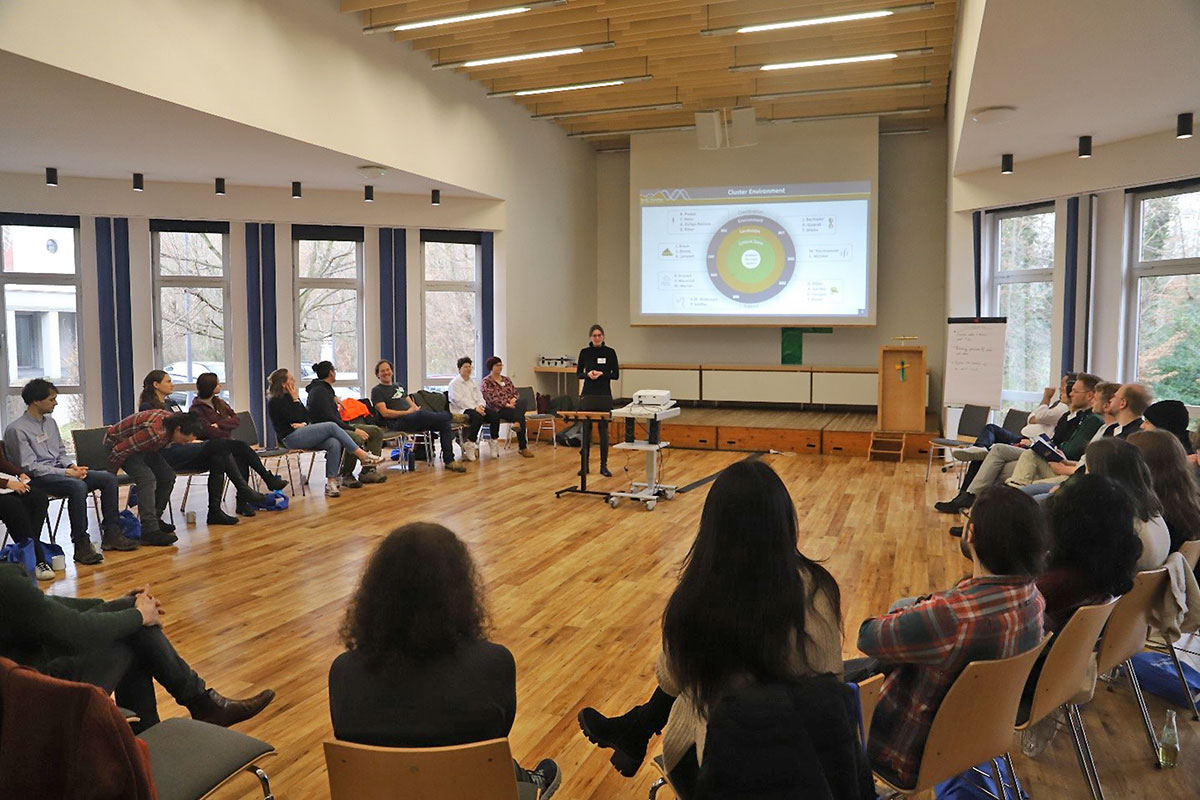
Haus VenusbergPhoto: Christian Tiede

Afterward, we moved into a dynamic group workshop led by Dr. Benjamin Hartwig from Neuroblitz (www.Neuroblitz.de). Through inspiring activities, he encouraged us to actively see, hear, and collaborate with one another, strengthening our connections as a team.

We wrapped up the day with some well-earned downtime - complete with cold beers and a competitive game of Kegeln in the cozy basement of Haus Venusberg, where most of us stayed the night. Spirits were high, and the festive atmosphere made us even more excited about the upcoming field trip to Chile!
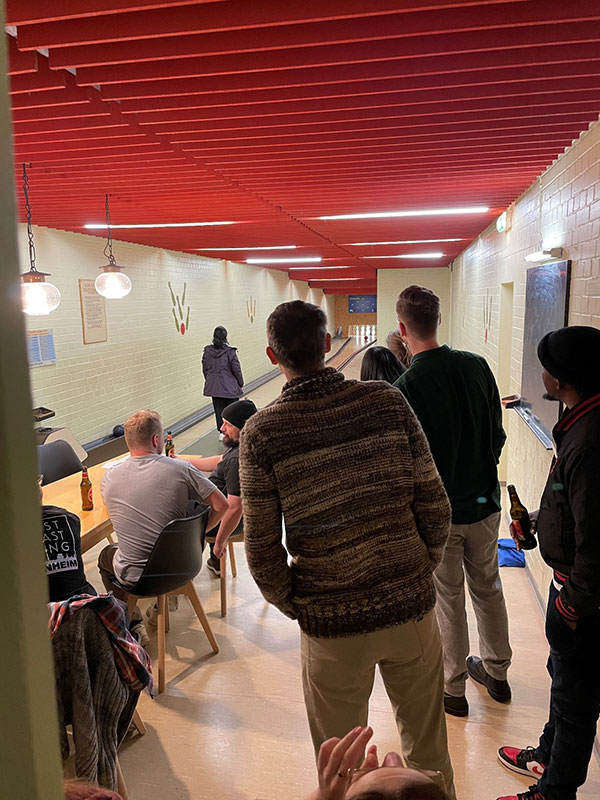
Haus Venusberg
Photo: Hannah Hartung

Day two extended the workshop with more engaging group exercises, ending in the presentation of our unique “PhD Survival Kits.” Each group brought their own creative twist to the challenge, presenting through an art gallery, a personal story, a decision-driven adventure narrative, and even a quiz show!
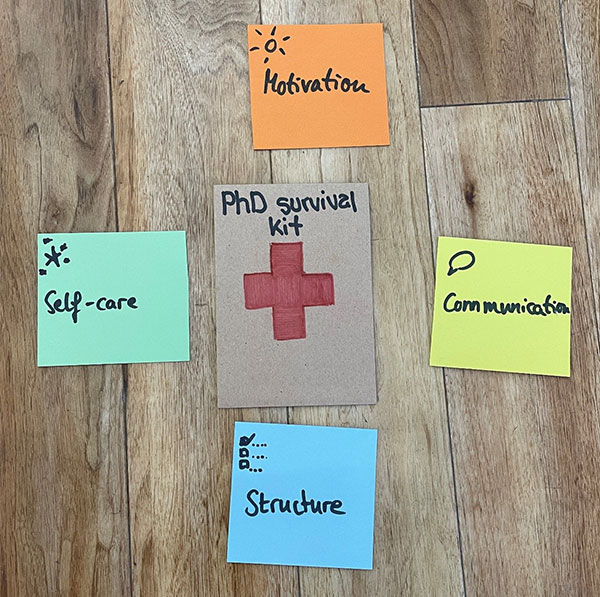
Haus Venusberg
Photo: Hannah Hartung

These activities were not only enjoyable but also provided valuable insights into managing the challenges of the PhD journey while strengthening our connections as colleagues and friends.

Looking back on these two incredible days, it’s clear we achieved more than just sharing knowledge and insights. We built a sense of community, both professionally and personally, that we’ll carry forward as we prepare for the next adventure: exploring the Atacama Desert together.

Here’s to the start of an exciting new chapter for CRC 1211!
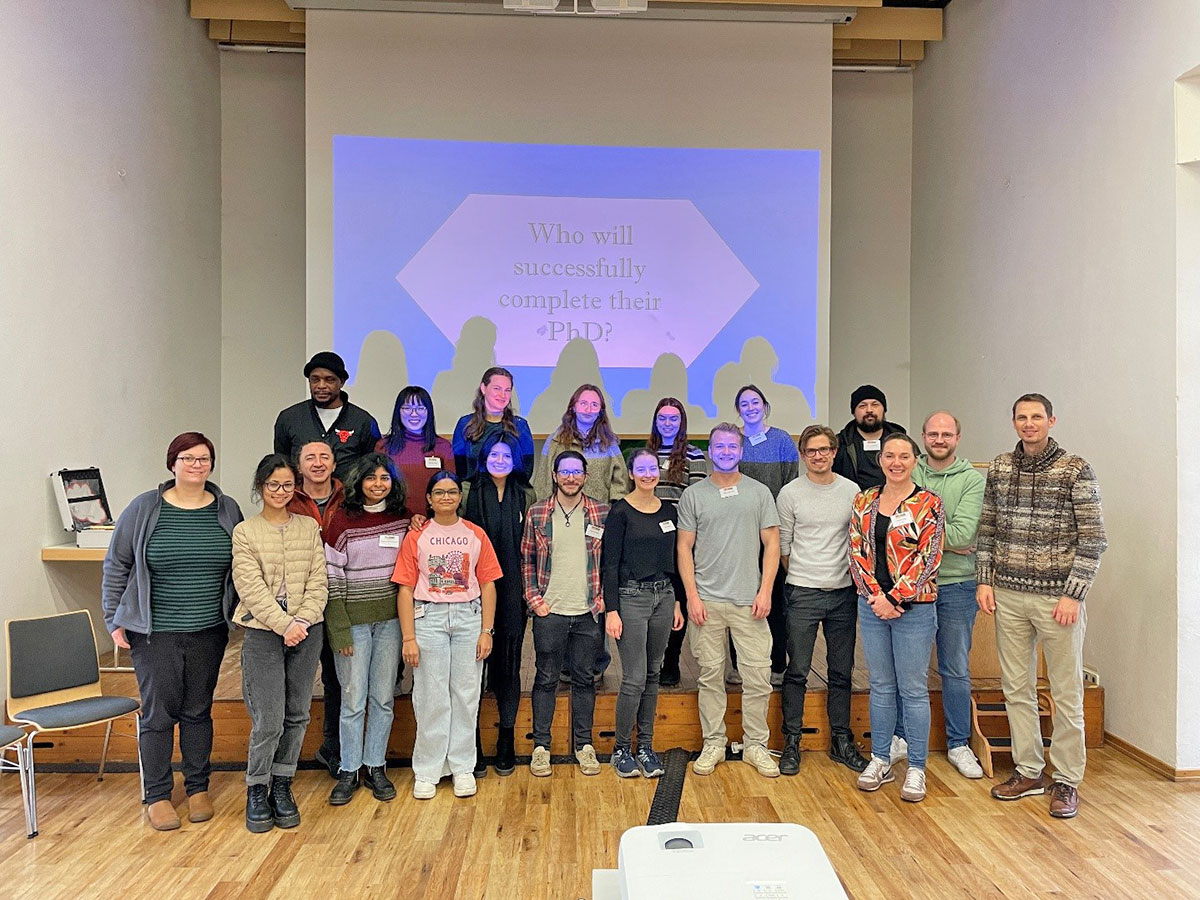
Haus Venusberg
Photo: Hannah Hartung

Text: Greta Kautz, Katrin Morr



Contact

  Speaker:
Prof. Dr. Tony Reimann
Institute of Geography | University of Cologne
Zülpicher Str. 45 | 50674 Cologne
+49 (0)221 470-1724 | t.reimann@uni-koeln.de
   
  Managing Director:
Christian Tiede
Institute of Geology and Mineralogy | University of Cologne

Zülpicher Str. 49b | 50674 Cologne
+49 (0)221 470-89833 | christian.tiede@uni-koeln.de

 _

  Co-Speaker:
Prof. Dr. Christine Heim
Institute of Geology and Mineralogy | University of Cologne

Zülpicher Str. 49b | 50674 Cologne
+49 (0)221 470-90341 | christine.heim@uni-koeln.de
   
  Scientific Coordinator:
Dr. Benedikt Ritter
Institute of Geology and Mineralogy | University of Cologne

Zülpicher Str. 49b | 50674 Cologne
+49 (0)221 470-89868 | benedikt.ritter@uni-koeln.de

 _

  Co-Speaker:
Prof. Dr. Dietmar Quandt
Nees Institute for Biodiversity of Plants | University of Bonn

Meckenheimer Allee 170 | 53115 Bonn
+49 (0)228 73-3315 | quandt@uni-bonn.de
   
  Webmaster:
Tim Schlüter
Institute of Geography | University of Cologne

Otto-Fischer-Str. 4 | 50674 Cologne
+49 (0)221 470-3735 | webmaster@sfb1211.de
Uni Köln   Uni Bonn   Goethe Uni Frankfurt   GFZ
           
  RWTH Aachen   Uni Heidelberg    

Partners Chile


Logo Partner Chile   Logo Partner Chile  

Logo Partner Chile

  Logo Partner Chile   Logo Partner Chile
                 
Logo Partner Chile   Logo Partner Chile   Logo Partner Chile   Logo Partner Chile

Partners Namibia


Logo Partner Namibia   Logo Partner Namibia  

Logo Partner Namibia

  Logo Partner Namibia